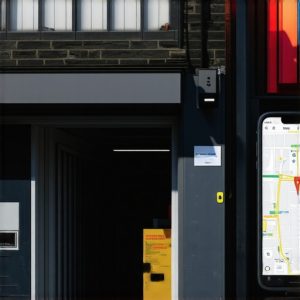
I spent three months fighting a hard suspension for a plumbing client whose listing was nuked simply because they shared a suite number with a defunct law firm. Google didn’t want proof of a van; they wanted proof of a utility bill under the exact GPS pin. That was my welcome back to the brutal reality of the local search system. I am a veteran local search strategist. I do not look at Google Business Profile as a passive dashboard. To me, it is a living proximity beacon. It emits real-time data into a spatial index. The algorithms calculate your distance down to the millimeter. When that signal is disrupted by a partial suspension, your phone stops ringing instantly.
Partial suspensions are insidious. Unlike a hard suspension, your listing stays visible. However, you lose your ability to edit your hours. Your reviews are blocked. Your posts are rejected. Your Google Business Profile is frozen in place. To fix this, you must run an audit of your spatial attributes. You must inspect your latitude coordinates, your physical signage, and your document records. Let us begin with the core truth. The algorithms do not care about your branding. They care about physical verification.
“Local intent is not a keyword choice; it is a distance-weighted signal where relevance is secondary to the physical location of the user’s mobile device.” – Map Search Fundamental
The quiet freeze of your business dashboard
Partial suspensions freeze your ability to modify core business attributes such as primary categories and service area boundaries while keeping the public listing visible. This state often occurs when algorithmic filters flag an sudden edit. Your local ranking remains live, but your backend access is restricted. Many business owners do not notice the freeze until their customer feedback stops displaying. This is not a technical glitch. It is a protective hold placed on your brand entity. When this happens, running a automated tool will not help. You need an intentional strategy to address the root data conflict that triggered the system.
A common trigger for this state is inconsistent contact data. If you have been searching for services to fix mismatched business address and phone number, you are dealing with the foundation of local trust. A single digit error in your secondary directories can cause Google to freeze your primary dashboard. They suspect your listing has been hijacked. You must locate every citation source online. Clean up old directories. Align your phone numbers. Ensure your street addresses match your utility bills exactly.
Do not attempt to bypass this by creating a secondary listing. This will only worsen the situation. It creates duplicate entities in the same proximity radius. The algorithm will filter both listings out of the map pack. Instead, keep your current dashboard open. We must document the physical location to show you exist where your pin is dropped.
The real reason your local ranking suddenly collapsed
An emergency drop in local search visibility is usually caused by real-time spam filters detecting inconsistent location signals or automated category changes. When rankings vanish overnight, businesses look for complex explanations. The truth is much simpler. Your physical location data has lost its authority. If you need emergency seo services for sudden ranking drop, the diagnostic process must begin with a spatial audit. We must check if your business address is still registered correctly in the official databases.
We must also look at competitor activity. Sometimes, competitors suggest edits to your listing. They mark your business as closed or move your map pin. If the algorithm accepts their edit, your ranking will sink. To stop this, you must understand reclaiming your spot after a rival suggested an edit immediately. It requires submitting photographic proof of your storefront to the support team. This is why keeping a folder of physical evidence is necessary for every small business.
Take photos of your entrance. Capture your street sign and your vehicle wrap in the same frame. Show the house number or suite number clearly. This proof is what manual reviewers look for when they process your reinstatement request. They do not look at your website structure. They look at the physical reality of your street corner.
How to run a comprehensive profile audit manually
Auditing your business profile requires verifying your primary categories, coordinate accuracy, and citation consistency against your official state registration documents. You cannot rely solely on software to do this. Automated checks miss the context of local geography. If you are learning how to audit gmb profile with a toolkit, you must combine software data with manual investigation. Check your categories. Verify your secondary categories to ensure they do not conflict with your main service.
Many brands use top google business profile seo toolkits to identify which terms their competitors are ranking for. This is useful. However, copying those terms without checking your own business license is dangerous. If you select a category that does not match your tax records, you risk triggering a suspension. Your categories must align with what your business actually does.
The local authority reading list for profile recovery
- Find how we improved physical presence with the move we used to double map impressions for a plumber
- Learn to identify geographical issues using finding the proximity glitch thats hiding your business
- Examine the recovery steps in the reinstatement blueprint for a banned local profile
- Clean up your old profiles with the fast track to cleaning up duplicate local map listings
- Discover the truth about position tracking in why most local rank trackers fail to show your real position
Why automated tools fail to solve complex proximity problems
Automated SEO tools cannot resolve real-world address anomalies, physical signage disputes, or regional proximity filters that require direct manual support intervention. Software is built to analyze code. It does not understand that a post office box is not a real physical office. It does not know if your office building is actually a shared workspace with a bad reputation. If you are comparing local seo software to improve map pack rankings, you must realize that tools are only as good as the human managing them.
We use best tools to rank google business profile to gather spatial data. These systems map out your ranking position across a grid. They show you where your visibility drops off. But they cannot fix a suspension for you. They cannot write a appeal to the search team. That requires a strategist who understands the specific guidelines governing local listings.
When your listing is restricted, do not run automated citation campaigns. This will only confuse the system. It spreads mismatched data across the web. You must address the core issue on your dashboard first. Clean up your internal data before you attempt to build new external signals.
Rebuilding digital trust after a spam attack
Rebuilding search trust after a competitor spam campaign requires systematic link audits, review validation, and the removal of unauthorized category edits. Many local industries are highly competitive. Some business owners use unethical tactics to push rivals out of the map pack. They may hire networks to generate fake reviews or build low-quality links to your website. If you are looking for seo services to rebuild trust after spammy lead gen listings, you need a cleanup process.
First, analyze your review velocity. If you receive twenty reviews in one day, the system will flag your profile. You must use reputation management and review repair services to identify which profiles are fake. Report these profiles to Google. Provide evidence of the attack. Show the timeline of the reviews to prove they are not from real customers.
Next, examine your link profile. Unethical competitors often point toxic links at your local landing page to trigger an algorithmic penalty. You must clean up these links. Use search console to identify the bad links. Submit a disavow file to protect your organic trust score. This is a critical step in restoring your overall map pack visibility.
The active monitoring strategies to prevent future suspensions
Preventing future GMB suspensions requires setting up real-time monitoring for user suggested edits, address database updates, and profile category alerts. Once you recover your listing, your job is not done. The local ecosystem changes constantly. Google updates its guidelines regularly. You must monitor your profile daily to ensure no unauthorized changes are made to your data.
Many agencies use tools to track and improve gmb rankings to keep an eye on their clients. These platforms alert you when your category is edited. They tell you if your hours have been modified. This allows you to reject bad suggestions before they are published to the live maps.
You should also work with services to monitor and prevent future gmb suspensions. They keep your data locked. They ensure your name, address, and phone number remain identical across the major data aggregators. This consistency is the strongest shield you can build against future algorithmic penalties.
“Consistency across high-authority local databases is the primary signal of a business’s legitimacy in the modern search index.” – Map Search Fundamental
The steps to permanent profile restoration
To restore a partially suspended profile permanently, you must complete the official reinstatement form, attach clear physical proofs, and wait for manual human verification. Do not submit multiple requests. This will delay your recovery. It places your ticket at the back of the review queue. Be patient. Prepare your documents while you wait.
Gather your business license. Find your utility bills showing your physical address. Take a video of your office. Walk from the street into your lobby. Show your signage. Show your employees working. This video proof is nearly impossible to fake. It is the fastest way to convince a human reviewer that your business is legitimate.
Once your profile is restored, focus on building clean, high-value signals. Update your website schema. Optimize your page speed. Keep your operating hours accurate. These actions show the algorithm that your business is active and reliable. They help you reclaim your position in the local map pack.