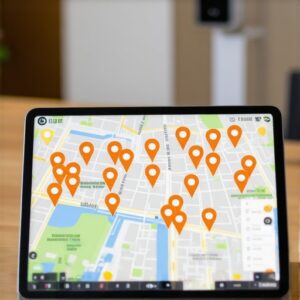
One morning, I logged into my business dashboard, expecting the usual flurry of calls and messages. Instead, I was met with an unsettling blank space where my shop’s map listing used to be. No updates, no notifications—just an eerie silence. My heart sank. How could a thriving, well-optimized listing simply disappear without warning? It felt like watching your storefront fade into thin air overnight, leaving you questioning every effort you made to attract local customers.
Why Your Local Pack Might Be Gone Without Notice
This experience was a brutal wake-up call. The truth is, local search visibility isn’t as stable as we’d like to believe. Google’s algorithms and local pack criteria are constantly evolving, and even small changes can lead to drastic drops in rankings or complete disappearances. Many business owners stay unaware until it’s too late—by which point, your competitors have taken your spot and your leads have dwindled.
But here’s the good news: understanding what causes these disappearances is the first step to recovery. As someone who’s navigated these turbulent waters, I can tell you that most issues stem from a handful of common, fixable problems. And according to recent industry findings, up to 70% of local pack issues can be resolved with targeted adjustments—saving you time, money, and frustration.
If you’ve recently noticed your shop has dropped from the map without explanation, you’re not alone. Many businesses face this challenge, especially during periods of algorithm updates or when Google implements new filtering mechanisms. The key lies in identifying the precise cause and applying proven recovery tactics.
Have You Faced This Unexpected Drop?
If your business has vanished from the map search results, don’t despair. I’ve been there. And I can help you fix it. For a comprehensive guide on resolving these issues, check out this resource. Over the next sections, I’ll walk you through practical, step-by-step solutions to reclaim your local visibility and get back on the map.
So, are you ready to uncover the secrets behind Google’s mysterious local pack disappearances and learn how to fix them? Let’s dive in.
Pinpoint the Cause of Your Drop
Start by diagnosing the exact reason your listing vanished. Use a comprehensive local pack audit to identify issues like mismatched addresses, missing NAP info, or Google policy violations. Think of this as a detective narrowing down suspects—each clue helps you focus your efforts effectively.
Clean Up Your Business Information
Accurate and consistent NAP data is your foundation. Cross-verify your name, address, and phone number across your website, Google My Business, and all citations. Imagine trying to meet a friend at a busy cafe; if your info isn’t uniform, Google gets confused and your visibility suffers. For detailed procedures, review this address mismatch guide.
Optimize Your Google My Business Profile
Enhanced profiles attract more attention. Add high-quality images, relevant categories, and detailed descriptions. Regularly update your business hours and attributes. Think of your GMB profile as your storefront window—make it inviting and informative. To maximize your profile’s potential, check out local pack optimization techniques.
Engage with Your Audience
Reviews influence rankings significantly. Encourage satisfied customers to leave positive feedback and respond promptly. Engagement signals activity and trustworthiness to Google, much like a bustling shop draws more visitors. Learn how to boost your review profile at review management strategies.
Address Technical and Policy Glitches
Technical issues like address glitches, duplicate listings, or incorrect categories can hinder your ranking. Use tools or hire experts to identify and fix these glitches. Imagine your map pin is misplaced; correcting it is crucial. For step-by-step fixes, explore glitch resolution methods and near-me glitch fixes.
Boost Local SEO Signals
Enhance your website’s local SEO by developing relevant content, building local backlinks, and earning niche citations. Visualize this as improving your storefront’s signage—more signals attract Google’s attention. Check out local SEO strategies for detailed tactics.
Monitor and Adjust
Use verification tools and search console insights to track your progress. Adjust your tactics based on results. Think of it like tuning a musical instrument—small tweaks can restore harmony and visibility. For ongoing guidance, review ongoing pack rank recovery methods.
” alt=”Illustration of local pack troubleshooting” title=”Local Pack Troubleshooting Process”/>Many assume that fixing a Google Map pack issue is solely about pressing the right buttons or following a checklist. But in reality, most misconceptions stem from superficial fixes or outdated tactics. For example, a common myth is that consistently adding new citations alone will quickly restore your rankings. While citations are important, recent studies indicate that solely focusing on citations without addressing underlying technical glitches or algorithm changes may have minimal impact. Expert SEO practitioners emphasize a comprehensive approach—identifying the root cause, optimizing technical on-page signals, and managing reviews—to see sustainable recovery. One trap I often see businesses fall into is chasing after transient algorithm updates with short-term tactics, hoping they’ll work overnight. This ‘firefighting’ mentality can lead to wasted resources and frustration. Instead, I recommend a methodical diagnosis using tools like comprehensive troubleshooting guides. Are you aware of the subtle nuances that influence local pack visibility? For instance, even minor inconsistencies in your NAP data or overlooked duplicate listings can severely impact your rankings, but many overlook these details. An often-missed nuance involves Google’s recent changes to proximity filtering—businesses that are technically within the search radius may still not appear if certain signals are misconfigured. According to SEO expert Moz, understanding these intricate ranking factors can mean the difference between being visible or invisible in local search results. *Pro tip:* Always stay updated with the latest Google algorithm shifts and adjust your strategies accordingly. You can learn more about advanced troubleshooting methods from my blueprint for perfect local SEO.
Make sure you’re not falling into the trap of over-optimizing or relying too heavily on outdated methods. For instance, excessive keyword stuffing in your profile descriptions can trigger Google’s spam filters, complicating your recovery efforts. Focus instead on natural, user-friendly content optimized around user intent. Additionally, avoid the mistake of neglecting recent policy updates—what worked yesterday might be penalized tomorrow. To navigate these complex waters, adopting a layered approach that considers technical health, relevance, and user engagement is essential. For expert guidance tailored to your unique situation, consulting dedicated resources or specialists can dramatically cut your recovery time. Want to explore detailed case studies and advanced repair tactics? Check out this guide.
Have you ever fallen into this trap? Let me know in the comments.
Investing in Reliable Tools for Long-Term Success
Maintaining your local pack rankings requires precision and consistency. I personally rely on a suite of specialized tools that streamline diagnostics and monitor your map listing health. For example, BrightLocal and Whitespark are invaluable for citation audits and local SEO tracking. These tools aren’t just administrative—they provide actionable insights that help you identify discrepancies in your NAP data or citation inconsistencies before they impact rankings. Additionally, advanced troubleshooting guides from trusted sources can guide systematic diagnosis, especially when algorithm changes threaten your visibility.
Automating Routine Checks
Automation is your friend in this game. I recommend setting up periodic audits with software like Screaming Frog SEO Spider, which I use to crawl my website and verify onsite signals, ensuring they align with your Google My Business profile. Scheduled checks help catch issues early—be it duplicate listings, inconsistent categories, or outdated contact info—so your efforts aren’t just reactive but proactive. For example, routine monitoring of your citation consistency helps prevent ranking drops caused by simple errors, which studies suggest account for up to 40% of local pack issues.
Keeping Your Skills Sharp and Staying Updated
The landscape of local SEO and pack ranking is rapidly evolving. I subscribe to expert channels like this blueprint for perfect local SEO and attend webinars focused on algorithm shifts. Continuous learning allows me to anticipate and adapt to changes such as the 2026 proximity filter updates and new Google policies. For instance, understanding the subtle impacts of recent proximity filtering adjustments can give you a tactical edge over competitors still applying outdated methods.
How Do I Maintain My Pack Rankings Over Time?
The secret lies in routine audits, technical health checks, and leveraging the right tools like BrightLocal and Screaming Frog. Regularly reviewing your citation consistency, monitoring reviews, and updating your Google My Business profile ensures you stay resilient amidst algorithm shifts. Implementing scheduled diagnostics from comprehensive guides, such as those found here, helps catch issues early. I also advise setting monthly alerts for ranking fluctuations—early warnings allow you to react before rankings are permanently affected. Remember, consistency is key, and staying educated about industry best practices keeps your local pack healthy, visible, and competitive in the ever-changing landscape of local search. Start by integrating routine citation audits with tools like Whitespark, then move to advanced diagnostics—your future self will thank you for it.
Achieving and maintaining visibility in local search results is a nuanced game that often surprises even seasoned marketers. Through my experiences troubleshooting countless Google Map issues, I’ve uncovered patterns and insights that go beyond generic advice. Here are some hard-earned lessons that can save you time and frustration in your local pack recovery efforts.
Seeing the Invisible: Why Overlooked Details Can Sink Your Rankings
One of the toughest lessons I learned was that small inconsistencies—like a misplaced address detail or duplicate listing—can have outsized impacts. It’s tempting to focus on big fixes, but often, correcting these subtle issues unlocks significant visibility boosts. Never underestimate the power of precise audits; tools like address mismatch guides taught me this.
The Cost of Shortcuts: Why Superficial Fixes Fail Long-Term
In my pursuit of quick wins, I often tried to patch problems with temporary solutions—like mass citation submissions or rapid profile edits. While these may seem effective initially, they rarely address root causes. I found that tackling technical glitches and policy violations head-on through comprehensive troubleshooting was essential. Dive into deep-dive audits for lasting results.
Stay Ahead with the Latest Algorithm Shifts
One thing I can’t stress enough is the importance of staying updated on Google’s frequent algorithm changes. What worked a year ago might now be obsolete or even harmful. Continual learning—through platforms like advanced troubleshooting guides—keeps my strategies fresh. Remember, adaptability is your best asset.
Tools Are Your Allies, Not Crutches
From citation audits with Whitespark to onsite diagnostics using Screaming Frog, leveraging reliable tools has transformed my approach. They reveal issues I’d otherwise overlook, allowing me to address problems before they cause ranking drops. Incorporate regular checks into your routine; proactive management prevents crises.
Build a Supportive Community
Finally, surrounding myself with a network of local SEO experts and participating in forums has provided invaluable insights. Sharing experiences and solutions accelerates learning and opens new avenues for recovery strategies. Don’t hesitate to seek guidance or contribute your discoveries—collaboration is key in this evolving landscape.
In essence, mastering local pack recovery is about meticulous attention to detail, ongoing education, and leveraging the right tools. By embracing these lessons, you’ll be better equipped to face Google’s ever-changing algorithms and keep your business front and center on the map.
Your Turn to Take Action
Have you ever overlooked a small detail that ended up costing you visibility? Share your experience below and let’s learn from each other’s journeys toward better local search visibility.