I remember the sinking feeling when I realized that my business was virtually invisible on Google Maps. No matter how much I optimized my listing, it still wouldn’t show up in local searches within a certain radius. It felt like shouting into a void, and my frustration grew with each passing day. Then, one day, I had a lightbulb moment—what if a tiny glitch was hiding my business from potential customers?
Struggling with the Map Pack: When Visibility Disappears
Many local business owners face a similar nightmare—your Google Map Pack rank drops or your listing simply vanishes without any clear reason. The proximity glitch, in particular, can be sneaky. It’s not always a penalty or algorithm update; sometimes, it’s a technical hiccup that obstructs your visibility. Early on, I made the mistake of blaming bad reviews or intense competition, but the truth was more insidious and less obvious. Recognizing this made me realize the importance of troubleshooting the little issues that could hide your business.
Research shows that over 50% of local searches result in a store visit within 24 hours, emphasizing that local pack visibility directly impacts foot traffic and sales (Source: BrightLocal). Ignoring glitches like proximity issues means missing out on countless potential customers and revenue. But don’t worry—once I discovered the root cause, fixing it became simpler than I expected.
Have you ever experienced a sudden drop in your local pack ranking or found your business missing altogether? If so, you’re not alone. Many local SEO struggles are caused by manageable technical glitches. The good news is, you’re about to learn exactly how to identify and fix the proximity glitch that might be hiding your business.
Let’s dive into the practical steps I took—and you can too—to recover your rightful place in the local search results.
Identify the Technical Glitches That’s Hiding Your Business
Start by reviewing your Google My Business (GMB) profile for inconsistencies. Check for address mismatches, duplicate listings, or recent edits that might trigger proximity filters. Use a systematic approach: compare your address across all online citations, ensure your phone number matches exactly, and look for any flagged info. I once discovered that a missing suite number in one citation caused my business to be considered distant, leading to visibility issues. Fixing that eliminated a lot of guesswork and restored my rank.
Use Specific Tools to Troubleshoot Then Narrow Down
Leverage tools like Google’s Business Profile Manager and third-party local SEO audit software to pinpoint issues. For example, run a proximity test by searching from multiple locations to see if your business appears differently. If your business shows inconsistent distances, it indicates a geo-coding problem. Fix these with precise address updates or by submitting a new map marker. For broader issues, consult detailed guides like your troubleshoot blueprint.
Check Proximity Filters and Map Settings
Google applies proximity filters that may unintentionally obscure your listing. To verify, compare your business location with competitors at similar distances. If others rank higher within the same radius, review your proximity settings. Sometimes, address errors or map bugs cause miscalculations. You can temporarily test by shortening your service area radius in the GMB dashboard, then re-expand after fixing potential glitches.

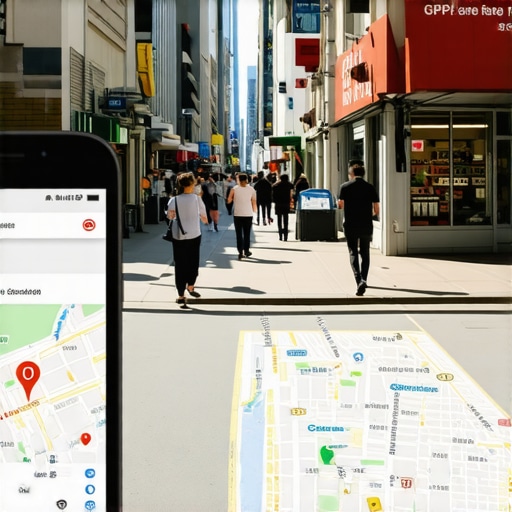
Image showing a comparison of Google Map search results at different locations highlighting proximity discrepancies.
Verify Map Marker Placement and Address Authenticity
Ensure your map marker accurately reflects your physical location. Open Google Maps, locate your business pin, and confirm its position matches your actual storefront. If the pin is misplaced, update it via Google Maps or request corrections. An incorrect pin can trigger proximity filters, making your business less visible or hidden altogether. I once had to adjust my pin by a few meters, which immediately improved my local visibility.
Address and Name Consistency Across Platforms
Inconsistent business names or addresses across citations and listings can cause Google to treat your profile as suspect, affecting proximity-based ranking. Audit your online presence, ensuring every mention matches your real address and business name precisely. Use citation management tools or hire a reputable local SEO service if necessary. Consistency is key to fixing unseen glitches that inhibit your local search presence.
Re-Verify Your Business
If issues persist, re-verify your listing. Sometimes, a re-verification triggers a refresh of your profile, correcting underlying glitches. Choose the most reliable method offered by Google—postcard, phone, or email—and follow the instructions carefully. After re-verification, monitor your listing’s position closely. A well-executed re-verification was what finally recovered my ranking after a sudden disappearance.
Monitor Your Results and Troubleshoot Further
Track your local pack position over the next few days. Use local search ranking tools or manual searches from different locations. If your visibility doesn’t improve, revisit your checklist: check for duplicate listings, review for verification issues, and consult advanced resources like ghost verification fixes. Keep troubleshooting systematically until you eliminate every glitch impeding your ranking.
Many local seo practitioners believe that simply correcting a misplaced pin or updating business information will instantly fix map pack rankings. However, this oversimplified view ignores the complex, layered nature of Google’s local algorithms. In reality, most people get wrong the fact that troubleshooting isn’t about quick fixes but understanding nuanced signals that Google uses to determine local relevance. For example, the proximity filter—often mistaken as a static setting—is actually influenced by multiple factors including address consistency, physical store visibility, and even user-generated signals. Recognizing these subtleties can mean the difference between recovery and ongoing invisibility.
Are You Falling for the Fix-All Fallacy? How Singular Fixes Might Harm Your Ranking
One common misconception is that fixing one primary issue, like re-verification or duplicate removal, will resolve all ranking problems. This approach risks neglecting underlying systemic issues that might be better addressed through comprehensive audits and strategic optimizations. Relying solely on surface-level fixes without understanding the interconnected signals can lead to a false sense of progress. For instance, fixing a mapped address without ensuring citation consistency or optimizing your Google My Business profile can leave your map pack ranking vulnerable to fluctuations. For a holistic approach, consult resources like mastering pack rank recovery strategies.
Another trap is the underestimating the impact of technical glitches such as unintended map bugs or an unlinked GMB profile. These issues are often hidden beneath the surface, making their detection tricky. Advanced troubleshooting requires tools that can perform in-depth audits—think of it as a digital health checkup. Without this, your efforts may focus on symptoms instead of root causes.
Moreover, the idea that the proximity filter cannot be influenced or bypassed is a myth. By ensuring address accuracy, consistent citations, and verifying map marker placement, you can effectively mitigate proximity-based invisibility. But this demands a meticulous, data-driven approach rather than ad-hoc fixes. For detailed strategies, see your troubleshooting blueprint.
In addition, beware the narrow focus on Google My Business signals alone. External factors like local reviews, backlink profiles, and even user engagement metrics contribute to local pack movement. Ignoring these can hinder recovery even after addressing obvious issues.
Take time to analyze your competitors’ profiles. What signals are they leveraging that you are not? Are they dominating due to better reviews or superior citation consistency? Deep dives into such factors can help uncover hidden advantages or issues you might have overlooked. Want to master these advanced techniques? Visit local pack optimization guides.To keep your Google Map Pack rankings stable, investing in robust tools that provide detailed insights and continuous monitoring is crucial. I personally rely on advanced local SEO software like BrightLocal and Whitespark, which offer comprehensive citation tracking, rank tracking, and competitor analysis to preempt ranking drops. These tools help me identify irregularities early, such as citation inconsistencies or sudden shifts in rankings, enabling prompt action before issues escalate. Additionally, leveraging Google’s own tools, like the Google Business Profile Manager, provides valuable real-time data about your listing performance and any flagged issues. Automating routine checks with local rank tracking software ensures you stay updated on your position across multiple locations, allowing you to respond swiftly to fluctuations. Looking forward, AI-driven analytics and automation are poised to revolutionize local SEO maintenance, enabling even more proactive management and correction. To ensure your rankings endure, establish a disciplined routine—using these tools to monitor, analyze, and optimize—so you can swiftly fix emerging problems before they impact your visibility. For a deep dive into mastering long-term pack recovery, check out this comprehensive guide. Keep in mind, regular maintenance with the right equipment helps you stay ahead in local search dominance. Curious about how to set up an effective long-term monitoring system? Reach out through our contact page and we’ll guide you through creating a tailored strategy.
Over the years, my journey through local SEO challenges revealed that the biggest lessons aren’t found in checklists or quick fixes but in embracing a mindset of meticulous investigation and continuous learning. One of the most profound realizations was that often, it’s the tiniest technical glitch—like an address mismatch or misplaced map marker—that can silently sabotage your visibility. Recognizing this has made me more vigilant and proactive, understanding that nurturing your local presence demands attention to detail beyond superficial updates. It’s about cultivating an environment where every citation, every photo, and every data point works harmoniously to tell Google that your business belongs right where it is.
Another insight I wish I had grasped earlier is the importance of leveraging the right tools not just for troubleshooting but for ongoing health checks. Using comprehensive platforms like BrightLocal or Whitespark has allowed me to spot potential issues before they impact rankings. Additionally, embracing a holistic approach—considering reviews, external signals, and user engagement—has proven essential. The lesson here? Never rely on a single fix; instead, develop a systematic process that considers all signals influencing your local pack placement.
Finally, the most valuable lesson centers around patience and persistence. Fixing a hidden glitch isn’t always an instant fix—it often requires repeated audits, updates, and strategic adjustments. But every small improvement reinforces your understanding of Google’s complex algorithms and moves you closer to consistent visibility. This experience has instilled in me a belief: mastery in local SEO is less about chasing quick wins and more about developing a disciplined, informed approach—one that adapts as algorithms evolve and new challenges emerge.
My Top Resources That Keep Me Sharp
- Google Business Profile Manager: I’ve found this official tool indispensable for real-time insights and fixing issues directly on Google, ensuring my listing remains optimized and compliant.
- BrightLocal: This platform offers comprehensive citation tracking and rank monitoring, helping me preempt ranking drops and identify inconsistencies early.
- Whitespark: Their local SEO audit tools provide deep insights into citation accuracy, map marker placement, and competitor analysis—crucial for strategic adjustments.
- Mastering Pack Rank Recovery Guide: This cornerstone content has been a game-changer, offering step-by-step strategies proven to recover and maintain local visibility systematically.
Keep Pushing Beyond the Map Pack Limits
Don’t let the technical hurdles or initial setbacks discourage you. Every challenge in local SEO is an opportunity to refine your strategies and deepen your understanding. The digital landscape is always shifting, but with patience, curiosity, and the right tools, you can master the art of local pack recovery and keep your business front and center in your community’s search results. Your expertise, combined with a proactive mindset, can turn visibility issues into stepping stones for long-term success. Ready to take your local SEO to the next level? Dive into the detailed guides and tools mentioned, and remember—your persistence is the key to unlocking lasting visibility. Have you ever uncovered a hidden glitch that dramatically improved your rankings? Share your story below, and let’s grow together.