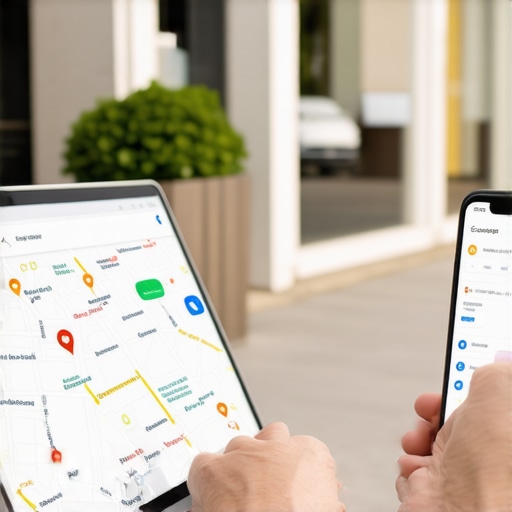
Ever stared at your screen, frustration bubbling up, realizing your business just vanished from the local map pack? I’ve been there more times than I care to admit. One day, my own Google Map Pack disappeared without warning. It felt like my online visibility had evaporated overnight. That sinking feeling? It’s a gut punch when your livelihood depends on local search rankings. But here’s the thing: you don’t have to accept it as a permanent loss. There are proven recovery strategies that can bring your local pack back from the brink.
Why Your Google Map Pack Disappearing Matters More Than You Think
When your business isn’t showing up in the Top Local Pack, you’re essentially invisible to potential customers searching nearby. That’s lost revenue, missed opportunities, and a blow to your reputation. Recent studies show that 78% of local mobile searches result in an offline purchase, making visibility in local search a critical part of any local marketing strategy. But here’s the kicker—Google’s algorithms are complex and ever-changing. What worked last year might not work now. That’s why understanding the latest fixes and recovery techniques is vital to keep your business on the map.
Is Fixing Your Google Map Pack Worth the Hype?
I used to think these issues were minor, just a glitch. My early mistake was ignoring the warning signs—like inconsistent NAP (Name, Address, Phone Number) info and neglecting to verify my Google Business Profile. Trust me, those small oversights can snowball into a complete disappearance from the pack. The good news? With the right approach, you can recover and even improve your ranking. If you’re tired of being invisible, I highly recommend checking out this comprehensive guide that walks you through proven solutions.
Now, let’s get into the practical steps that will help you troubleshoot, fix, and dominate your local search results. Ready to get your business back where it belongs? Keep reading!
Start with a Full Audit of Your Business Profile
The first step is to identify what might be causing your disappearance. Think of your Google Business Profile as your storefront window; if it’s cluttered or inconsistent, customers will pass by unnoticed. Log into your profile and review every detail—make sure your NAP (Name, Address, Phone Number) info matches exactly across all online listings. Inconsistent info is like a neon sign flickering in the dark, confusing Google and users alike. I once had a client whose phone number was outdated on one platform, which caused Google to flag the profile and temporarily hide it from the pack. Fixing these inconsistencies often results in quick recoveries. For a comprehensive check, visit this troubleshooting blueprint.
Verify and Optimize Your Google Business Profile
If your profile isn’t verified, Google treats it as untrustworthy—like a new store without a sign. Ensure you’ve gone through the verification process, whether by mail, phone, or email. Once verified, optimize your profile by adding high-quality photos, detailed descriptions, and relevant categories. Think of this as furnishing your shop to attract the right customers. I once added a new service keyword to my profile and saw my ranking improve within days. To learn more about optimizing your profile, check this guide.
Address Technical Issues That Affect Visibility
Technical glitches can be sneaky—think of them as hidden leaks in your plumbing that cause your business to disappear from the map. Use Google’s own tools like the Google Search Console and Google My Business dashboard to identify issues such as suspension notices, duplicate listings, or incorrect categories. Sometimes, a simple re-verification or removing duplicate listings restores your visibility. I once had a client whose listing was flagged for spam; after a quick review and reinstatement, the ranking bounced back. For a step-by-step approach, see this troubleshooting resource.
Build Local Citations and Consistent NAP
Local citations are like digital word-of-mouth—more citations mean Google trusts your business more. Ensure your business NAP info is consistent across all directories, review sites, and social profiles. Use tools or services to scan for inconsistencies. I recommend regularly auditing your citations with dedicated tools or manual checks. In one case, correcting a misspelled street name on a major directory led to a significant ranking jump. For detailed citation strategies, visit this resource.
Encourage Genuine Customer Reviews
Reviews are social proof that boost your credibility and ranking. Encourage satisfied customers to leave honest reviews—think of them as testimonials that draw new clients in. Respond to all reviews professionally, addressing concerns and thanking reviewers. I found that responding to reviews increased engagement and improved my local rank. However, avoid fake reviews, as Google penalizes these. For best practices, see this guide.
Implement Local SEO Best Practices on Your Website
Your website should complement your Google profile. Use local keywords, create location-specific content, and embed a Google Map on your site. This signals to Google that your business is relevant for local searches. Think of your website as your digital billboard—well-optimized content attracts both Google and potential customers. I once added a blog post about local events, which brought in targeted traffic and improved map pack visibility. For detailed strategies, visit this article.
Monitor, Adjust, and Keep Up with Changes
Local SEO is dynamic—like a boat that needs constant steering. Regularly monitor your rankings, reviews, and profile health. Use tools to track changes and stay updated with Google’s algorithm updates. If your pack disappears again, revisit these steps and adjust accordingly. I learned that maintaining a consistent posting schedule and actively engaging with reviews kept my profile resilient against fluctuations. For advanced tactics, explore this comprehensive guide.
Many local business owners believe they understand how Google Map Pack rankings work, but in reality, some widespread myths can lead you astray. Let’s dig deeper into these misconceptions and uncover the hidden nuances that can make or break your recovery efforts.
Is it true that simply adding keywords to your profile guarantees ranking improvements?
While keywords are important, relying solely on keyword stuffing is a common mistake. Google’s algorithms have evolved to prioritize user experience and relevance over keyword density. Over-optimization can even trigger penalties, making your profile less visible rather than more. Instead, focus on natural, valuable content that aligns with what your customers are searching for. For proven strategies, explore this guide on effective local SEO optimization.
The trap of believing reviews are the only ranking factor
Many think that reviews alone will boost their Map Pack position. While reviews influence trust and click-through rates, Google considers a complex mix of factors—including citations, profile completeness, and local relevance. Neglecting technical issues or citation consistency can sabotage your efforts regardless of reviews. Remember, a holistic approach is essential for sustainable rankings. Check out this resource for comprehensive troubleshooting tips.
Why the myth that Google never updates its algorithm can hurt your strategy
Some believe that once they optimize, their rankings will stay stable forever. In reality, Google updates its algorithms regularly, sometimes impacting local rankings dramatically. Staying informed about these changes and adjusting your tactics accordingly is crucial. For instance, recent updates have emphasized the importance of local signals and mobile optimization. Keep your strategies current by monitoring your performance and reviewing latest expert insights.
Have you ever fallen into this trap? Let me know in the comments. Remember, understanding these nuances helps you avoid costly mistakes and accelerates your recovery process. The key is to be proactive, stay informed, and adapt your strategies dynamically. For a complete step-by-step plan, consider reviewing this proven guide to mastering Map Pack recovery.
Maintaining your visibility in the Google Map Pack requires a combination of the right tools and consistent strategies. Over time, local SEO trends evolve, and what works today might need adjustment tomorrow. That’s why leveraging specialized tools and adopting a proactive mindset are crucial for long-term success.
How do I maintain my Google Map Pack rankings over time?
One of my favorite tools for ongoing monitoring is BrightLocal. I use it to track local rankings daily, identify fluctuations, and spot potential issues before they escalate. BrightLocal’s local search grid visually displays your rankings across multiple locations, making it easier to see trends at a glance. This allows me to react swiftly, whether that’s updating my NAP information or engaging with new reviews.
In addition, I rely heavily on Google Search Console. It’s an invaluable resource for catching technical issues—sitemap errors, duplicate content, or crawl problems—that might silently hurt your local rankings. Regular audits in Search Console help ensure your website’s health aligns with your Google Business Profile, creating a seamless experience for Google’s algorithms.
For citation consistency, I recommend Whitespark’s Citation Finder. This tool helps identify inconsistent NAP citations across the web, which can undermine your local SEO efforts. I personally check my citations monthly and correct discrepancies to maintain trustworthiness in Google’s eyes.
Another crucial element is review management. I use Podium to encourage and respond to reviews professionally. Not only does this boost engagement, but it also signals active management to Google. Responding to reviews promptly increases your chances of maintaining high rankings, especially in competitive local markets.
Looking ahead, I predict that automation will play an even bigger role. AI-driven tools like ChatGPT can help craft personalized review responses or generate localized content efficiently, saving time while maintaining quality. As local SEO continues to adapt, integrating these tools into your routine will be vital.
Remember, consistency is key. Regularly audit your profile and citations, monitor your rankings, and engage actively with customers. For an in-depth, step-by-step system, I recommend reviewing this comprehensive guide.
Finally, don’t forget to stay informed about the latest algorithm updates and local SEO best practices. Combining the right tools with a proactive approach will ensure your Google Map Pack visibility remains strong for years to come. Start by trying out BrightLocal’s tracking features today—your future rankings will thank you!
The Hardest Lesson I Learned About Google Map Pack Recovery
One of the most eye-opening lessons I encountered was realizing that small inconsistencies, like a typo in your NAP (Name, Address, Phone Number), can sabotage your entire local SEO efforts. It taught me that attention to detail isn’t just a suggestion—it’s a necessity. Overlooking these tiny errors can lead to your business vanishing from the map pack, no matter how much effort you put into other strategies.
3 Myths About Google Map Pack That Held Me Back
- Keyword stuffing guarantees rankings: I used to think cramming keywords into my profile would make me climb to the top. Turns out, Google prefers natural, user-friendly content. Overdoing keywords can even get you penalized.
- Reviews are the only ranking factor: I believed reviews alone could boost my visibility. But I learned that citations, profile optimization, and technical health are equally important for a solid ranking.
- Once optimized, rankings stay stable: I thought my efforts would pay off forever. However, Google updates its algorithms regularly, meaning I had to stay proactive and keep my profile fresh.
What Experts Won’t Tell You About Google Map Pack Recovery
Many professionals don’t emphasize the importance of consistency across all online listings. I discovered that even minor variations in your citations or outdated information can cause fluctuations or drops in your rankings. Staying vigilant and regularly auditing your online presence is essential to maintain and improve your visibility in the local pack.
Where to Go from Here
If you’re serious about conquering your local search visibility, I recommend diving into comprehensive resources like this in-depth guide. It provides step-by-step strategies that helped me turn my Google Map Pack around and keep it there. Remember, the key is continuous optimization and staying informed about the latest trends and algorithm changes.
Your Turn to Try
Now that you know some of the hidden lessons and myths, are you ready to audit your profile and start fixing those issues? Share your biggest challenge or success story below—I’d love to hear how you’re taking control of your local SEO today!
Reading through this has really highlighted how crucial attention to detail is in local SEO. I remember initially overlooking small inconsistencies in my NAP info, and it caused my business to drop from the pack temporarily. Luckily, once I corrected those, my visibility bounced back quickly. What I found most helpful was auditing my citations regularly to ensure consistency. The part about technical issues resonated with me too—I had an old duplicate listing that was causing confusion, and resolving it improved my rankings. I’m curious, for those managing multiple locations, how do you keep track of all your citation data and monitor for inconsistencies? I’ve been considering tools like Whitespark’s Citation Finder to streamline this process. Overall, continuous optimization and staying updated on Google’s algorithm changes seem to be the key for sustained success in local packs.
It’s true that small details like NAP consistency can make or break your local SEO efforts. I’ve experienced firsthand how even a tiny discrepancy in your listing data can cause your business to disappear from the map pack temporarily. Regularly auditing citations is a solid strategy, but managing multiple locations can quickly become overwhelming without the right tools. I’ve found that using comprehensive tools like Whitespark’s Citation Finder simplifies the process by allowing you to identify and correct inconsistencies across all listings efficiently. Have any of you tried combining citation audits with automation tools to keep everything in check? I’d love to learn about other effective methods for managing multi-location listings and preventing common issues that hurt visibility. Also, staying proactive with profile updates and reviews can further solidify your presence, especially when Google’s ranking factors keep evolving. What’s been your experience with maintaining accurate citations at scale?
This article hits close to home, especially the part about the small details—such as NAP consistency—that can make or break your local visibility. I recently experienced a sudden drop in my Google Map Pack rankings because I had a minor typo in one of the directories. Fixing that typo and removing duplicate listings made a huge difference, and I started to see my rankings bounce back fairly quickly. It really emphasizes how crucial ongoing monitoring and regular audits are in local SEO. Managing multiple locations can indeed be overwhelming, but using tools like Whitespark’s Citation Finder has been a game changer for me, simplifying the process of keeping all citations in check. I’m curious, how do other business owners handle this daily or weekly citation maintenance? Do you have any automation tools or routines that help keep things consistent? It seems that staying proactive is the key to long-term success in local search rankings.