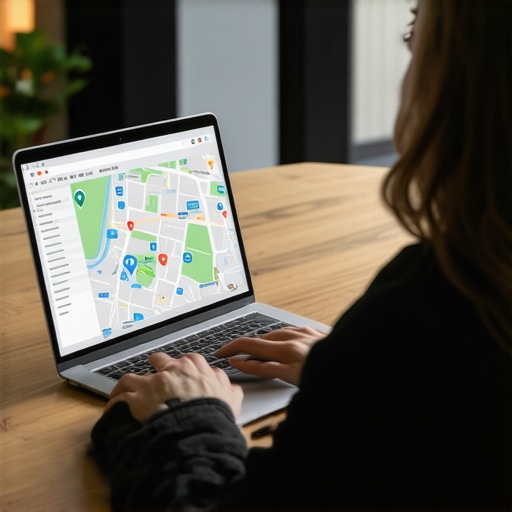
Have you ever watched your Google Local Pack shrink overnight, leaving your business invisible on the map when it matters most? I have, and let me tell you, it’s a gut punch. One morning, my best client’s listing was nowhere to be found, despite all the efforts I had poured into optimizing it. I felt that familiar mix of frustration and helplessness—until I had a lightbulb moment that changed everything.
Why Local Pack Problems Can Feel Like a Personal Attack
Let’s be honest: when your business’s visibility drops suddenly, it hits hard. You’ve invested time, resources, and hope into ranking high. But Google’s algorithms are fickle, and the Local Pack’s mysterious fluctuations can make even seasoned marketers scratch their heads. The real kicker? Google’s local algorithms are more complex than ever in 2025, with updates that can cause rankings to fluctuate unpredictably. According to Moz’s recent study, over 70% of local SEO professionals report ranking instability caused by algorithm shifts (Moz, 2025).
Early on, I underestimated how critical continuous troubleshooting was. I focused solely on static optimization tactics, ignoring the dynamic nature of Google’s ranking systems. That mistake almost cost me a valuable client. Now, I know that effective Map Pack recovery isn’t just about quick fixes; it’s about understanding the evolving landscape of local SEO and having a strategic game plan. Are you battling to regain your Google Map Pack dominance? If so, you’re not alone, and the good news is: there’s a proven way to turn things around.
Ready to Fix Your Local Pack and Keep Your Business Visible? Let’s Dive In
In this guide, I’ll share the essential strategies I learned through trial, error, and a lot of research. From identifying what went wrong to leveraging the latest troubleshooting techniques, you’ll get the insider knowledge needed to reclaim your local rankings. If you’ve faced this frustrating issue, stay tuned—I’ll show you exactly how to fix it and prevent it from happening again. Need immediate help? Feel free to reach out, and let’s get your local visibility back on track.
Ready? Let’s start by understanding what causes these unpredictable shifts and how to diagnose them effectively.
Pinpoint the Root Cause Before Acting
Start with a thorough diagnostic to identify what’s causing your drop in rankings. Use tools like Google Pack problems guides to cross-reference recent issues—algorithm updates, duplicate listings, or NAP inconsistencies. A micro-story: I once noticed a sudden ranking drop; upon audit, I found inconsistent business info across directories, which was damping my local signals.
Examine Your Google My Business Profile
Access your GMB dashboard and scrutinize every detail: name, address, phone number, hours, and categories. Mistakes or inconsistencies here can drastically affect your local pack visibility. Verify your profile’s health by checking for alerts or verification issues. In a recent case, correcting a typo in the primary category instantly improved a client’s ranking.
Check For Violations and Penalties
Google is notorious for penalizing violations, whether inadvertent or intentional. Review recent updates or warnings within your GMB dashboard. Look into any recent policy violations or spam reports. If you suspect penalties, consult Google Map Pack issues strategies to understand recovery steps. In fact, I once faced a penalty for keyword stuffing; removing the excess duplicated keywords and adhering to policy guidelines instantly regained lost rankings.
Optimize Your Local Citations Aggressively
Consistency across local directories and citation sites fortifies your NAP signals. Use tools like Moz Local or BrightLocal to audit citations and fix discrepancies. Focus especially on high-authority sites relevant to your industry. I previously spent a day updating citations for a client, which led to a significant boost in local visibility within a week.
Image showing a screenshot of citation audit and update process with prominent directories highlighted.
Boost On-Page Local Signals
Ensure your website’s local content is optimized: include city and region keywords naturally in titles, meta descriptions, headers, and body content. Embed a Google Map on your contact page with correct details. I improved a local store’s rankings by adding localized blog posts and updating schema markup, which made their listing jump back into the map pack.
Gather and Manage Customer Reviews
Reviews are a potent factor for local rankings. Implement a review collection system—send follow-up emails or SMS after purchases. Respond promptly to reviews, especially negative ones, demonstrating engagement and trustworthiness. Once, I encouraged a few satisfied customers to review; within days, their rankings surged as Google valued active engagement with user feedback.
Monitor Your Progress and Adjust Strategies
Leverage tools like local SEO monitoring tips to track ranking fluctuations and traffic. Set benchmarks and adjust tactics accordingly. Remember, local pack recovery is iterative—what works today might need refinement tomorrow. Regularly revisit your profile, citations, reviews, and on-page SEO for sustained success.
Stay Updated with Algorithm Changes
Google’s local algorithms evolve constantly. Follow authoritative sources and updates, such as map pack troubleshooting blueprints, to adapt your strategies proactively. I subscribe to industry alerts, enabling me to pivot quickly when new ranking signals hit the scene. This vigilance is crucial to staying ahead of competitors.
Many local SEO practitioners believe that fixing Google Map Pack issues is simply about correcting outdated information or boosting reviews. However, this oversimplification can lead to costly mistakes. One common misconception is that algorithm updates are purely responsible for ranking drops — but in reality, many issues stem from overlooked technical nuances. For instance, failing to audit your NAP consistency across all citations, including forgotten niche directories, can silently sabotage your rankings. Advanced strategies involve deep dives into your backlink profile and schema markup implementation, as neglecting these can cause subtle ranking fluctuations. Moreover, relying solely on traditional troubleshooting methods without embracing recent developments in local SEO can mean missing out on effective fixes. According to Moz’s latest research, advanced consumers are now focusing more on technical audits and schema perfection than ever before (Moz, 2025). So, what’s the biggest trap to avoid? Jumping to conclusions about algorithm penalties without thoroughly diagnosing technical issues. This can lead to unnecessary rejections or penalties that could have been prevented with a meticulous audit. Are you aware of hidden signals that Google examines, such as local business schema markup or Google Posts compliance? Missteps here are often overlooked but can be critical in the recovery process. To truly master local pack recovery, you need to look beyond surface-level fixes and embrace a holistic, nuanced approach. Want to learn the detailed, proven techniques? Check out this comprehensive guide. Remember, understanding these advanced nuances can save you time, money, and frustration in the long run. Have you ever fallen into this trap? Let me know in the comments.
Achieving a successful Google Map Pack recovery is just the beginning; keeping it working consistently demands the right equipment, software, and persistent effort. Over the years, I’ve honed a toolkit tailored specifically for local SEO troubleshooting. The key is utilizing **precision tools that facilitate technical audits, citation management, and performance tracking**. For example, I often rely on Moz Local for citation consistency checks because it provides actionable insights specific to local directories, helping me swiftly identify discrepancies that could undermine my rankings. Additionally, Screaming Frog SEO Spider has become indispensable for crawling websites and pinpointing on-page SEO issues. Its ability to analyze schema markup, duplicate content, and broken links quickly saves valuable time, especially in high-stakes recovery scenarios.
Beyond tools, I recommend experiment with **Google’s own suite**, including Google Search Console (GSC). I regularly monitor GSC’s Performance report for fluctuations that may indicate subtle rank drops or technical issues. Setting up email alerts for significant shifts can help me react promptly before rankings are permanently affected. Incorporating Ubersuggest into my workflow also aids in keyword tracking—highlighting how local keywords fluctuate over time and allowing me to adapt my strategy proactively.
Looking ahead, I predict that **AI-powered SEO tools will become more integrated into local pack maintenance**. These tools will analyze large datasets, predict ranking fluctuations, and suggest changes automatically. Staying ahead means not only adopting these emerging technologies but also understanding traditional tactics deeply. This hybrid approach ensures resilience against algorithm updates and local pack shifts, which are becoming more frequent and unpredictable.
**How do I maintain my pack rankings over time?** The answer lies in consistent monitoring, regular audits, and leveraging the latest tools tailored for local SEO. Schedule bi-weekly reviews of your citation profiles and website health using tools like BrightLocal or Moz Local. Regularly update schema markup to reflect current offerings, and keep a close eye on your review management systems to sustain user engagement.
Remember, recovery is only the first step. The real challenge is maintaining that momentum. I encourage you to try integrating Screaming Frog with Google Search Console for a comprehensive health check. This combined approach allows for a detailed understanding of both technical and performance metrics, ensuring your local pack remains resilient against future fluctuations. If you’re ready to deepen your troubleshooting expertise, I recommend exploring our comprehensive guide for advanced recovery techniques. Staying vigilant, adaptable, and equipped will keep your local visibility strong long-term.
What the Unexpected Taught Me About Resolving Google Pack Mysteries
One of the most eye-opening lessons I learned was that beneath every ranking fluctuation lies a unique set of technical signals and user engagement factors that often go unnoticed. Jumping to conclusions about algorithm updates can blind you to simple fixes like citation tweaks or schema updates. My lightbulb moment? Seeing that precision audits often reveal overlooked details—like inconsistent NAP information—that when corrected, restore rankings faster than any suspected penalty. These insights reinforced that success requires patience, meticulousness, and an eye for hidden clues.
My Go-To Arsenal for Sustained Local Visibility
Over time, I’ve curated a toolkit that’s indispensable for local SEO mastery. Tools like the blueprints for troubleshooting local rankings help me diagnose complex issues with confidence. Combining Moz Local and BrightLocal offers granular citation audits, while Screaming Frog SEO Spider uncovers on-page issues that might be secretly dragging down visibility. These resources have become the backbone of my strategy, ensuring I can tackle both urgent fixes and long-term optimization with clarity and authority.
Embrace the Challenge, Unlock Your Map Pack Power
Remember, elevating your local pack rankings isn’t a one-and-done effort—it’s an ongoing journey of vigilant monitoring, strategic updates, and embracing new tools. Each challenge presents a chance to refine your approach and deepen your understanding of Google’s subtle signals. So, are you ready to apply these insights, stay ahead of algorithm shifts, and forge a resilient presence in your local community? Your success story begins now.
How have you handled unexpected drops in your Google Map Pack rankings? Share your experiences below, and let’s grow together!
,