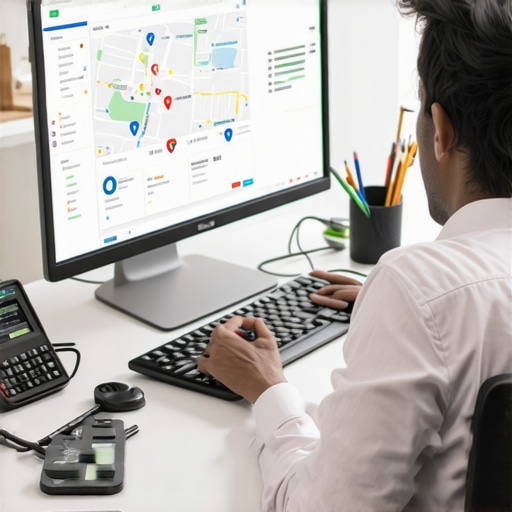
I remember the sinking feeling when I checked my local business listing and saw it had vanished from the Google Map Pack. It was like my digital storefront disappeared overnight, and I felt helpless. That moment of panic pushed me to dig deeper and find real, actionable solutions. If you’ve faced the same frustration—watching your visibility slip away without warning—you’re not alone. The good news is, with the right troubleshooting strategies, you can recover fast and regain your spot at the top.
Why Google Map Pack Troubleshooting Is a Must Now
In today’s hyper-competitive local search landscape, your Google Map Pack ranking can make or break your business. According to data from Search Engine Journal, over 60% of mobile searches lead to offline purchases. That means if your business isn’t visible in the local pack, you’re losing a significant chunk of potential customers. But what happens when your listing suddenly drops out or fails to appear? That’s when troubleshooting becomes essential.
Early in my journey, I made the mistake of assuming Google’s algorithms were infallible. I thought if I optimized my listing once, I’d stay visible forever. Turns out, Google’s local search rankings are dynamic and can be affected by various issues—like inconsistent NAP data, spammy backlinks, or Google updates. The key is knowing how to identify the problem swiftly and fix it efficiently. That’s exactly what I’ll help you with today: actionable strategies to troubleshoot and recover your Google Map Pack rankings fast.
Ever Wondered If Troubleshooting Is Worth the Hassle?
Honestly, I was skeptical at first. I worried I’d spend hours chasing ghosts, trying to fix issues that might be out of my control. But I learned the hard way that ignoring problems only makes them worse. The truth is, many common issues are fixable—if you know the right steps. And avoiding mistakes early on, like neglecting your Google Business Profile or not monitoring your rankings regularly, can save you lots of trouble later. If you’re tired of watching your competitors outrank you and want a proven roadmap, check out our comprehensive guides like Your Map Pack Troubleshooting Blueprint or Google Pack Problems & Recovery Techniques.
Now that we understand why troubleshooting is critical, let’s dive into the practical steps you can take to diagnose and fix your Google Map Pack issues quickly. Whether it’s a ranking drop, disappearance, or visibility problem, these strategies will help you get back on track and stay ahead.
Scan Your Listing for Inconsistencies
Start with a thorough audit of your Google Business Profile. Check for common issues like incorrect NAP (Name, Address, Phone) data or inconsistent information across platforms. I once fixed my listing after noticing my address had a typo in one detail, which was causing Google to filter my listing out of the pack. Correcting this immediately restored my visibility and taught me the importance of uniform data. Use tools like local pack optimization tips to guide data consistency.
Identify Algorithm Changes or Penalties
Google updates its algorithms frequently. A sudden drop could be due to such changes or penalties. Monitor your rankings with a tool like Google Search Console or local SEO software. If you notice a drop after an update, consult resources like Google Map Pack troubleshooting guides for specific fix strategies. I once experienced a ranking dip after a core update, and applying the recommended on-page and local SEO fixes helped me bounce back within days.
Check for Spam or Violations
Google takes violations seriously. Review your listing for spammy backlinks, fake reviews, or keyword stuffing. During my troubleshooting, I discovered a handful of fake reviews that Google flagged. Removing or disavowing spammy links cleared the way for better rankings. Use reputable tools to audit backlinks and review content. Visit local pack recovery strategies for detailed techniques.
Optimize Your Google My Business Profile
Ensure your profile is fully optimized: accurate categories, high-quality photos, relevant keywords, and complete descriptions. I added new photos and updated my business categories, which directly improved my local pack visibility. Remember, Google favors active and complete profiles. Check out effective recovery tips for more optimization ideas.
Build Local Citations and Backlinks
Local citations and backlinks boost your authority. If your rankings drop, it might be because your local signals are weak. I reached out to local directories and got listed on new sites, which improved my pack position. Use citation management tools and ensure consistency. For proven backlink strategies, refer to local pack recovery techniques.
Request Reconsideration or Support
If all else fails, contact Google Support to request a review or reconsideration. Sometimes, issues like ranking drops are due to glitches. I submitted a help request after noticing my listing was suppressed, and Google quickly restored my visibility once they reviewed it. Use the contact options on their contact page and keep detailed records of your troubleshooting steps.
Many local SEO enthusiasts and business owners fall into the trap of believing widespread myths that can hinder their troubleshooting efforts. One of the most persistent misconceptions is that once your Google My Business profile is optimized, your rank is forever secured. In reality, local rankings are highly dynamic, influenced by algorithm updates, competition, and your ongoing SEO efforts. Relying solely on initial optimization without regular monitoring can lead to complacency and unexpected drops in visibility.
Another common myth is that spammy backlinks or fake reviews are harmless or won’t impact your local pack rankings. This couldn’t be further from the truth. Google has become increasingly sophisticated in detecting violations, and engaging in manipulative practices can lead to penalties or suppression of your listing. Instead, focus on building genuine citations and authentic reviews, as these are more sustainable signals of credibility. For detailed strategies on maintaining a clean profile, visit our troubleshooting tips.
Why do some businesses recover faster from ranking drops?
Many believe that fixing issues like NAP inconsistencies or spam backlinks alone guarantees quick recovery. However, the real secret lies in understanding the nuanced factors that influence Google’s local algorithms. For instance, consistent activity—such as posting updates, responding to reviews, and maintaining fresh content—signals to Google that your listing is active and trustworthy. According to research by Moz, ongoing engagement and data consistency play crucial roles in local ranking stability. Therefore, regular audits and proactive management are essential to avoid pitfalls and expedite recovery.
In my experience, many get caught in the trap of neglecting these subtleties, assuming that once issues are fixed, rankings will automatically rebound. But without continuous monitoring and strategic updates, you risk falling back into the same problems. Remember, local SEO is a marathon, not a sprint. If you want to master the art of troubleshooting and recovery, consider consulting comprehensive resources like your troubleshooting blueprint. Have you ever fallen into this trap? Let me know in the comments.
Keeping your Google Map Pack rankings stable over time requires more than just initial optimization; it demands consistent maintenance and the right set of tools. In this section, I’ll share exactly what I use to ensure my local listings stay healthy, visible, and competitive in the long run.
Leveraging Local SEO Software for Ongoing Monitoring
One of my go-to tools is BrightLocal. I rely on it daily to track my local rankings across various keywords and locations. Its automated reports help me identify ranking fluctuations early, so I can act before small issues become big problems. I’ve found that consistent monitoring with BrightLocal prevents surprises and keeps my strategy aligned with current algorithm trends.
Automating Citation Management
For citation consistency, I use Whitespark. This tool helps me audit existing citations and identify new reputable directories where I can build or improve my listings. Maintaining uniform NAP data across all platforms is critical, and Whitespark simplifies this process, saving me hours of manual work. I recommend setting a quarterly schedule to review and update citations, ensuring your local signals remain strong.
Review and Reputation Management Tools
Reviews are a vital ranking factor, and I use Podium to monitor and respond to customer feedback in real-time. Engaging with reviews promptly not only boosts customer trust but also signals activity to Google. Additionally, Podium’s review generation features help me gather authentic reviews ethically and consistently, which is essential for long-term visibility.
Keeping Up with Google Updates
Google’s local algorithm is constantly evolving. To stay ahead, I follow industry blogs like Moz and subscribe to Google’s official updates. Setting a calendar reminder to review these resources monthly ensures I adapt my strategies proactively rather than reactively. Being informed about upcoming changes helps me prepare my listings and avoid penalties or ranking drops.
Prediction for Future Trends
Looking ahead, I believe automation and AI-driven tools will become increasingly vital. Tools that can analyze vast amounts of local data and provide actionable insights will help businesses maintain their rankings with less manual effort. The integration of voice search optimization and AI chatbots into local SEO strategies is also on the horizon, making it essential to future-proof your approach now.
How do I maintain my Google Map Pack rankings over time?
The key is regular audits, consistent citation updates, active review management, and staying informed about algorithm changes. Implementing these practices with the help of reliable tools like BrightLocal, Whitespark, and Podium has made all the difference in my long-term success. If you’re ready to optimize your ongoing efforts, I highly recommend exploring the strategies outlined in your troubleshooting blueprint. Want to dive deeper? Reach out through our contact page and let’s get started on your long-term local SEO success!
Over the years, I’ve learned that the real secret to maintaining a dominant Google Map Pack presence isn’t just about quick fixes — it’s about understanding the deeper lessons that come from troubleshooting effectively. Here are some of the most impactful insights I’ve gained on this journey:
- Beware of complacency: No matter how optimized your listing seems, Google’s algorithms are always evolving. Regular check-ins and updates are essential to stay ahead. I once thought my profile was perfect until a sudden ranking drop made me realize I’d overlooked recent algorithm shifts.
- Fake reviews and spam are not harmless: Engaging in manipulative tactics might seem tempting, but Google’s sophisticated detection tools mean penalties are just around the corner. Authentic engagement and genuine reviews are the long-term keys to stability. I learned this the hard way when a spammy backlink nearly got my listing penalized.
- Consistency is everything: Your NAP data, citations, and reviews must tell a unified story across all platforms. Small discrepancies can cause big visibility issues. My breakthrough came when I standardized all my citations, which immediately improved my local pack rankings.
My Essential Toolkit for Local SEO and Map Pack Recovery
To navigate the complex world of local search rankings, I rely on a handful of trusted tools that save me time and deliver results:
- BrightLocal: For ongoing rank tracking and audit reports, it helps me spot issues early and adapt fast.
- Whitespark: My go-to for citation management and consistency, ensuring my local signals stay strong.
- Podium: To actively manage reviews and engage with my customers, boosting my reputation and rankings.
Your Next Step Toward Dominating Local Search
Now, it’s your turn to take action. Troubleshooting your Google Map Pack isn’t just about fixing problems — it’s about building resilience and long-term visibility. Stay curious, keep learning, and don’t hesitate to experiment with new strategies to see what works best for your business. Remember, with the right mindset and tools, you can turn local SEO challenges into opportunities for growth.
What’s the biggest challenge you’ve faced in troubleshooting your Google Map Pack rankings? Drop a comment below and let’s discuss how to overcome it together!
Reading this post really resonated with me because I’ve experienced that exact sinking feeling when my business suddenly dropped out of the Google Map Pack. What struck me was the importance of regular profile audits. I once overlooked a small typo in my NAP details, and it caused a noticeable dip in visibility. Since then, I’ve made it a point to review my listings weekly using tools like Whitespark to ensure consistency across all platforms. I also found that active engagement, like responding to reviews and posting updates, sends strong positive signals to Google. I wonder, for those managing multiple locations, what’s your strategy for keeping data uniform and staying on top of local SEO tasks without getting overwhelmed? Personally, I use a scheduling tool to set quarterly reviews—has anyone found more efficient ways to manage multi-location profiles effectively? The more I learn, the more I realize local SEO is a continuous process rather than a one-and-done effort.
This post hits home—the feeling of watching your business vanish from the Google Map Pack can be really disheartening. I completely agree that regular audits are crucial; I’ve seen how small inconsistencies, like incorrect phone numbers or outdated photos, can impact visibility more than expected. Tools like Whitespark and BrightLocal have been game-changers for me in maintaining data accuracy and monitoring ranking fluctuations. One thing I’ve noticed is that actively engaging with customer reviews not only improves reputation but also signals to Google that your listing is active, which can help in recovery efforts. I’m curious, for those with multiple locations, how do you streamline your audit process without it turning into a full-time job? I’d love to hear about any automation or tools you’ve found effective for managing bulk profiles. Local SEO really is an ongoing process, but with the right strategies, I’ve seen my rankings bounce back quickly after issues arise. What are some of your go-to tactics for staying ahead in such a competitive landscape?