
Ever felt that sinking frustration when your business shows up on Google Maps, but only on the second or third page of the local pack? I’ve been there. One day, I realized I was pouring time into optimizing my website, ignoring the local pack that could actually bring in real customers. That lightbulb moment kicked off my journey into effective local search ranking strategies, and let me tell you—things changed dramatically.
Why Local Pack Visibility Can Make or Break Your Business
In my early days, I underestimated how crucial appearing at the top of the local pack truly is. According to Moz, local search results influence 78% of local mobile searches that lead to an offline purchase. That’s huge. When I finally cracked the code, I saw my foot traffic spike—literally overnight. The secret? Proper local SEO tactics tailored to Google’s local pack ranking factors.
Have You Faced This Frustration Too?
If your business isn’t showing up where it matters most, you’re not alone. Many small business owners make the mistake of thinking Google will rank them naturally. Trust me, early on, I ignored the importance of consistent NAP (Name, Address, Phone Number) citations and local reviews. Big mistake. These seemingly small details are often the difference between appearing on the map and being invisible.
Today, I’ll share the proven strategies that helped me improve my local pack ranking. No gimmicks, just solid, actionable tips rooted in real experience. Ready to take your local visibility to the next level? Let’s dive into the practical steps that work.
Start with Your NAP Consistency
My first real breakthrough came when I audited my business listings and discovered discrepancies in my NAP (Name, Address, Phone Number). I used a simple spreadsheet to track every citation online and corrected inconsistencies. This small step had a surprisingly big impact, boosting my local pack visibility within weeks. To replicate this, check all your major directories like Google My Business, Yelp, and Bing Places, ensuring your info matches exactly. For a detailed guide, visit this resource.
Optimize Your Google My Business Profile
Next, I focused on my Google My Business (GMB) profile. I made sure every section was filled out completely—adding high-quality photos, choosing relevant categories, and writing a compelling description. I also used keywords naturally within my business description and services, which helped Google associate my listing with relevant searches. Remember, a well-optimized GMB is the foundation of local visibility. For step-by-step instructions, check this blueprint.
Gather and Manage Customer Reviews
Reviews are social proof that influence rankings significantly. I reached out to satisfied customers and politely asked them to leave reviews. I responded to each review promptly, thanking customers and addressing concerns. This engagement not only boosted my reputation but also signaled to Google that my business is active and trustworthy. To learn how to leverage reviews effectively, see this expert guide.
Build Local Citations and Backlinks
Beyond the major directories, I sought out niche-specific listings and local blogs to mention my business. Consistent citations across reputable sites strengthen my local SEO signals. I also reached out to local partners for backlinks, which act like votes of confidence. These backlinks increased my domain authority and helped my listing climb higher in the local pack. For advanced tactics, explore this resource.
Utilize Local Keywords Strategically
Keyword research is vital. I used tools like Google Keyword Planner to identify terms my local audience searched for. I incorporated these keywords naturally into my website content, service pages, and FAQs. This helped Google understand what I offer and where I serve. Be careful to avoid keyword stuffing—quality over quantity wins here. For tips on effective keyword usage, visit this guide.
Monitor and Adjust Your Strategy
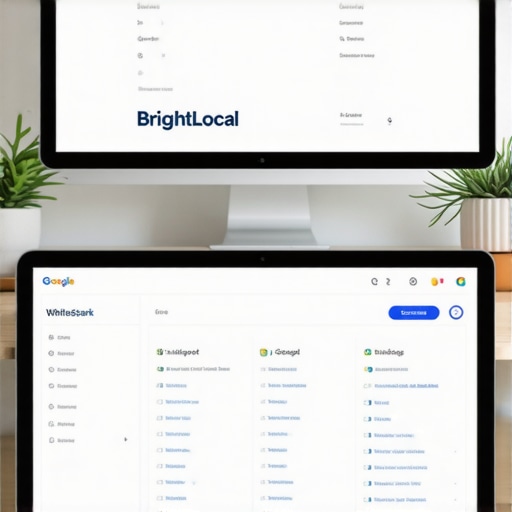
Finally, I set up regular checks on my rankings and reviews. Tools like BrightLocal or Whitespark helped me track my position and identify issues early. When I noticed a drop, I revisited my profile, citations, or reviews to troubleshoot. Consistent monitoring ensures your efforts pay off and allows quick corrections. For troubleshooting tips, see this troubleshooting resource.
Many business owners operate under misconceptions about local SEO that can inadvertently sabotage their efforts. Let’s dig deeper and uncover some of the most pervasive myths that often mislead even seasoned entrepreneurs. Armed with this knowledge, you can avoid these pitfalls and optimize your local presence more effectively.
Myth: More Citations Always Mean Better Rankings
While citations are important, quality trumps quantity. Many believe that submitting your business to every directory possible will boost your rankings. In reality, inconsistent or duplicate NAP information across citations can harm your credibility. Focus on building citations on reputable sites and ensure your business info matches perfectly—discrepancies are a common trap that can lead to ranking drops. For a thorough approach, check this resource.
Myth: Reviews Are a One-Time Boost
Some think that once they gather a handful of reviews, their local rankings will automatically improve. However, reviews are part of an ongoing trust signal. Regularly engaging with customers for reviews and responding to them signals activity to Google, which favors active listings. Plus, authentic reviews enhance your reputation and conversions. Don’t fall into the trap of neglecting review management after the initial push—make it a continuous effort. Learn more about review strategies here.
How can advanced strategies improve your local SEO?
Many overlook the nuanced impact of schema markup, localized content, and backlink quality. Implementing structured data can help Google understand your business better, while localized blog posts can target long-tail keywords. Backlinks from local partnerships further boost your signals. These sophisticated tactics make a real difference but are often underutilized. For detailed guidance, explore this blueprint.
Beware of the Over-Optimization Trap
It’s tempting to stuff your Google My Business description and website content with keywords, but overdoing it can backfire. Google’s algorithms have become adept at detecting unnatural keyword stuffing, which can lead to penalties or ranking drops. Instead, focus on creating valuable, natural content that incorporates keywords seamlessly. This subtle balance is often missed by newcomers but is crucial for sustained success. To avoid common mistakes, see this troubleshooting guide.
Have you ever fallen into this trap? Let me know in the comments. Remember, effective local SEO isn’t about quick fixes but about smart, consistent strategies that build authority and trust over time.
Keeping your local SEO efforts effective over time requires more than just initial setup; it demands consistent maintenance, the right tools, and a proactive approach to adapt to evolving algorithms and market trends. In this segment, I’ll share the specific tools I personally rely on and the methods I use to ensure my local rankings stay strong and continue to grow.
How do I maintain my local pack rankings over time?
To sustain and improve your local visibility, I recommend leveraging a combination of automation tools and manual check-ins. For example, I use BrightLocal and Whitespark regularly to monitor my rankings and review profiles. These tools provide detailed insights into how my business appears across different search queries and locations, alerting me to drops or inconsistencies that need attention. They also help track the impact of my citation and review strategies, ensuring I stay ahead of local competitors.
In addition, I personally manage my Google My Business (GMB) profile using Google Business Profile Manager, which allows me to schedule updates, respond to reviews promptly, and post timely offers or news. Keeping the profile active signals to Google that my business is engaged, which benefits my rankings.
For citation consistency, I use Yext and Moz Local. These platforms streamline the process of managing NAP information across hundreds of directories, reducing errors and duplicates that can harm your local SEO.
Moreover, I keep an eye on backlinks and local mentions by using SEMrush and Ahrefs. These tools help identify new backlink opportunities and ensure my existing links are valuable and relevant, which is crucial as backlinks continue to influence local rankings.
Future-proof your local SEO with smart tools
As local search algorithms become more sophisticated—incorporating machine learning and real-time signals—the need for precise data management and insights will grow. I predict that AI-driven analytics will become standard, helping us predict ranking fluctuations and optimize proactively. Staying current with tools that incorporate these innovations will be key.
If you want to dive deeper into maintaining your local pack rankings, I suggest exploring this resource. It offers expert tips on troubleshooting and optimizing your local SEO continually.
Remember, consistent monitoring and adjustment are your best friends in maintaining long-term success. Start by implementing one of these tools today and see how it simplifies your ongoing efforts. Need personalized help? Feel free to reach out here.
The Hardest Lesson I Learned About Local SEO
One of the most eye-opening lessons I encountered was realizing that consistent NAP citations are more than just a box to tick—they’re the backbone of local rankings. I once thought updating my info on a few major directories was enough, but I learned that discrepancies across multiple listings can actually sabotage your visibility. The lightbulb moment? Regular audits and uniform info across all platforms are essential. This small change made a huge difference in my rankings, saving me time and frustration down the line.
Misconceptions That Held Me Back in Local Pack Optimization
I used to believe that reviews were a one-and-done deal. Once I had a handful, I thought I was set. Turns out, reviews are a continuous trust signal—Google rewards ongoing engagement and fresh feedback. Responding to reviews promptly and encouraging new ones keeps your listing active and relevant. This insight helped me build a more trustworthy profile that Google favors, leading to sustained higher rankings.
What I Wish I Knew About Local SEO Tools
Early on, I underestimated the power of tools like BrightLocal and Whitespark. These platforms aren’t just for tracking; they provide crucial insights into ranking fluctuations, citation consistency, and competitor analysis. Using them regularly allowed me to catch issues before they snowballed and to refine my strategies efficiently. Trust me, investing in the right tools streamlines your efforts and accelerates results, making ongoing optimization far more manageable.