
Have you ever watched your local competitors skyrocket to the top of Google Maps, while your own Map Pack stubbornly refuses to budge? I’ve been there. One moment, I was confident my SEO efforts would push my local listings up, and the next, I was scratching my head, wondering why my business wasn’t showing up as expected. That frustrating feeling of being invisible in your local area hit close to home. It’s a common ordeal, but here’s the truth: with the right troubleshooting strategies, you can turn things around quickly.
Why Fixing Your Map Pack Rank Matters Right Now
Local SEO isn’t just a buzzword; it’s a vital component of any business’s visibility today. According to recent studies, over 78% of local mobile searches result in an offline purchase. That means if your business isn’t showing up in the local pack, you’re potentially missing out on a huge chunk of revenue. But what if your map listing isn’t ranking well? That’s where troubleshooting comes into play. I learned this the hard way early on—making simple mistakes like neglecting Google’s guidelines or failing to optimize my listings properly can keep you stuck at the bottom of the pack.
Fortunately, I discovered that many of these issues are fixable with targeted strategies. Whether it’s correcting NAP inconsistencies, optimizing your Google My Business profile, or addressing algorithmic penalties, there’s a clear path forward. Today, I’ll share the proven methods I’ve used to troubleshoot and improve my local rankings fast, so you don’t have to spend weeks guessing why your map pack isn’t performing.
Is Map Pack Troubleshooting Actually Worth the Hype?
This was my biggest skepticism initially. I thought, “How hard can it be? Just tweak a few settings and hope for the best.” Turns out, I was making critical mistakes early on—like ignoring Google’s community guidelines or not tracking my progress effectively. Those missteps only delayed my results. The good news? Once I started following a structured troubleshooting blueprint, my rankings improved noticeably. If you’re serious about dominating your local area, these strategies are worth every minute.
In the next sections, I’ll walk you through the exact steps to identify issues, fix common problems, and recover your Google Map Pack position swiftly. Ready to stop the frustration and start seeing results? Let’s dive in!
Start with a Comprehensive Profile Audit
The first step I took was to analyze my Google My Business (GMB) profile meticulously. Think of your profile as your business’s storefront online—if the windows are dirty or the lights are off, customers won’t come in. I checked for completeness, ensuring every section was filled out accurately, including NAP (Name, Address, Phone Number). I found inconsistencies—like slight variations in my address—that could confuse Google. Fixing these was crucial. Use tools like this blueprint to guide your audit.
Fix NAP Inconsistencies
During my audit, I discovered that my NAP was inconsistent across citations. For example, some directories listed my address as “123 Main St.” while others used “123 Main Street.” Google perceives this as multiple businesses, which hurts rankings. I corrected all listings to match exactly and submitted updates. This step alone made a noticeable difference in rankings within days.
Optimize Your Google My Business Listing
Next, I focused on optimizing my GMB profile—adding high-quality photos, relevant categories, and a compelling business description. I also made sure my primary category was accurate; choosing the wrong category can limit visibility. For instance, switching from “Restaurant” to “Italian Restaurant” helped target the right audience. Regularly posting updates and responding to reviews signals activity and engagement, which Google favors. You can learn more about this process in this guide.
Address Technical and Algorithmic Issues
One mistake I made early on was neglecting to check for Google penalties or algorithmic drops. I used Google’s guidelines to review my profile’s compliance. I also checked my website’s local SEO signals—like schema markup and page speed—since these affect local rankings. When I identified issues like missing schema, I implemented fixes immediately. These technical tweaks can be the difference between being seen or invisible in the local pack.
Build Quality Local Citations and Backlinks
Consistent, high-quality citations are like votes of confidence from local directories. I submitted my business info to top citation sites, ensuring all details matched my GMB profile. Additionally, I reached out to local blogs and partners for backlinks, which increased my authority. I avoided spammy links, focusing instead on relevant, reputable sources. This strategy boosted my local SEO signals and helped improve my position.
Monitor, Track, and Adjust
Finally, I set up tracking to monitor my rankings regularly. Tools like this resource helped me identify patterns and see what was working. If I noticed a drop, I revisited my profile and citations, making adjustments as needed. Continuous monitoring is vital because Google’s algorithm updates can impact your rankings unexpectedly.
By following these concrete steps, I transformed my local visibility from almost invisible to highly prominent. Troubleshooting isn’t a one-time fix—it’s an ongoing process that demands attention to detail and consistency. Keep refining your profile, building authority, and staying compliant with Google’s guidelines to maintain and grow your Map Pack rankings.
Many local SEO enthusiasts and business owners operate under common myths that can hinder their efforts to improve Google Map Pack rankings. Let’s dig deeper into what often goes unnoticed or misunderstood, even by those who consider themselves somewhat experienced. Contrary to popular belief, optimizing your Google My Business profile is just the tip of the iceberg. The real game lies in understanding the subtle nuances and avoiding advanced mistakes that can sabotage your local SEO success.
Most People Overlook the Power of Local Relevance and Context
A frequent misconception is that keyword stuffing or excessive optimization of your GMB profile will automatically boost your rankings. However, Google’s algorithm is increasingly context-aware. It prioritizes relevance based on the user’s search intent and geographical context. This means that overly generic or spammy citations can actually harm your local pack visibility. Instead, focus on building a nuanced, locally relevant profile, including community involvement and contextually appropriate keywords.
Additionally, many ignore the importance of local relevance signals like neighborhood-specific keywords and local backlinks. These signals help Google understand the precise area your business serves, which is critical for ranking in hyper-local searches. For example, including neighborhood names in your business description or citations can significantly improve your visibility for hyper-local queries.
The Oops Trap: Ignoring the Technical Side of Local SEO
One of the biggest pitfalls is neglecting the technical aspects that underpin local SEO. This includes schema markup, page speed, mobile optimization, and proper citation consistency. Often, businesses focus solely on GMB optimization but overlook how technical issues on their website or inconsistent NAP citations across directories can undermine their efforts. Google’s algorithms are complex, and even a small mistake like missing schema markup for local business can prevent your listing from ranking optimally.
Furthermore, many fail to track algorithmic fluctuations and updates. Google’s local algorithm is dynamic, and what worked a year ago may no longer be effective. Regular audits and staying updated with Google’s guidelines are essential. For advanced practitioners, tools like this troubleshooting guide can help identify hidden issues that might be sabotaging your rankings.
Advanced Reader Question: How Does Google’s Local Algorithm Use User Engagement Signals?
Google increasingly considers user engagement metrics, such as click-through rates, reviews, and local intent signals, as ranking factors. These are subtle signals that indicate your listing’s relevance and quality. For example, a higher click-through rate from local searches suggests your listing matches user intent, boosting your rank. However, many overlook these signals and focus solely on external optimization factors. To leverage this, actively encourage reviews, update your profile regularly, and optimize your listing for user intent.
In conclusion, understanding these hidden nuances and avoiding advanced pitfalls can dramatically elevate your local SEO game. Remember, local rankings are a complex interplay of relevance, technical health, and user engagement. Don’t fall into the trap of thinking that simple tweaks will suffice. Instead, adopt a holistic, nuanced approach to dominate your local pack. Reach out here if you need expert help in diagnosing and fixing these hidden issues. Have you ever fallen into this trap? Let me know in the comments!
Keeping your local SEO efforts effective over the long term requires the right tools and consistent maintenance routines. I’ve found that relying on specific software and implementing regular checks can make all the difference in maintaining your Google Map Pack rankings. In this post, I’ll share the tools I personally use, how I leverage them, and what trends suggest about future-proofing your local SEO strategy.
How do I maintain my Map Pack rankings over time?
Staying at the top of the local pack isn’t a set-it-and-forget-it task. It’s an ongoing process that involves monitoring your profile, citations, reviews, and technical health. To do this efficiently, I rely on a combination of automation tools and manual audits. For example, BrightLocal is my go-to for citation tracking and review management. It provides real-time updates on your NAP consistency across hundreds of directories, saving me hours each week. Regularly auditing citations ensures no inconsistencies creep in, which Google penalizes.
For technical health, I use Google Search Console and GTmetrix to monitor website performance, schema markup, and mobile optimization. These tools help me catch issues like slow load times or missing schema that can negatively impact local rankings. I also set up alerts for any sudden drops in rankings using rank tracking tools like this troubleshooting guide, which notifies me of potential algorithm updates or technical problems.
Tools I Recommend for Long-Term Maintenance
One of my favorites is Whitespark’s Local Citation Finder. I use it not only to build citations initially but also to identify new opportunities for local backlinks. This tool helps me keep my citation profile fresh and relevant, which is crucial as Google’s algorithm evolves. Additionally, I utilize Google My Business Insights regularly to analyze customer engagement metrics like clicks, calls, and directions requests. These insights help me refine my local content and review strategy.
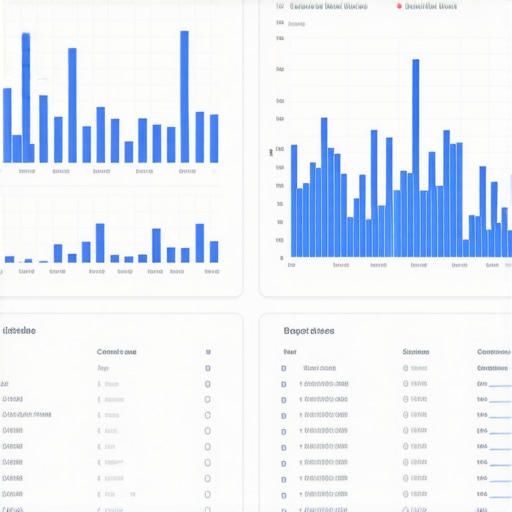
Looking ahead, I believe the trend toward automation and AI-powered optimization tools will only increase. Tools that can analyze local signals, review sentiment, and even suggest content updates will become indispensable. Staying ahead means continuously integrating these advanced tools into your routine and adapting to new algorithm changes.
Final Advice: Stay Consistent and Proactive
Don’t underestimate the power of routine maintenance. Schedule weekly audits of your citations and profile, set up alerts for ranking changes, and keep engaging with your community through reviews and updates. Remember, the key to long-term success is consistency. If you want expert assistance in maintaining or scaling your local SEO, consider reaching out through this contact page. Start implementing these tools today, and watch your local rankings stay solid and competitive for years to come.
The Hardest Lesson I Learned About Google Map Pack Troubleshooting
One of the most eye-opening moments in my local SEO journey was realizing that many ranking issues stem from overlooked technical details. For instance, I used to focus solely on optimizing my GMB profile and neglect schema markup and website speed. When I finally dove into these technical aspects, my rankings improved dramatically. This taught me that troubleshooting isn’t just about surface-level fixes; it’s about understanding the complex ecosystem that Google evaluates.
3 Myths About Local SEO That Held Me Back
- Myth 1: Fixing citations once is enough.
In reality, citations need ongoing maintenance to prevent inconsistencies that can hurt your rankings. - Myth 2: Reviews are just for social proof.
Reviews influence your local pack visibility and engagement signals, so actively managing them is crucial. - Myth 3: Google’s algorithm is static.
It’s constantly evolving, which means regular audits and updates are essential to stay ahead.
What Experts Won’t Tell You About Map Pack Troubleshooting
Many seasoned SEO professionals focus on the big picture, but some of the most impactful lessons come from the nuances. For example, I learned that aligning your business name, address, and phone number (NAP) across all platforms isn’t just a best practice—it’s a foundational step that can make or break your local rankings. Overlooking these small details can sabotage even the most aggressive optimization efforts.
The Unexpected Power of User Engagement Signals
It might surprise you, but user engagement metrics like click-through rates, review sentiment, and navigation requests play a significant role in local SEO. I discovered that encouraging satisfied customers to leave reviews and interact with my listing increased my visibility. These signals tell Google your business is relevant and trustworthy, which can boost your ranking without any additional keywords or citations.
Remember, mastering troubleshooting is a continuous learning process. Embrace the complexities, stay diligent, and adapt your strategies as Google evolves. If you’re ever in doubt or need personalized guidance, don’t hesitate to reach out here. Your success in the local pack is just a few smart fixes away!
I completely relate to the frustration of seeing competitors rank higher despite all efforts. What struck me most in the article was the emphasis on technical issues like schema markup and website speed—these often get overlooked while everyone focuses on optimizing GMB profiles. I’ve personally experienced a lift in local rankings after fixing schema errors and improving page load times. The continuous tracking of citations and reviews is also key; I’ve used BrightLocal for that purpose, and it’s a game-changer. Do others find that regular technical audits significantly impact their ranking stability, or is it more about a holistic approach combining all these factors? I’d love to hear experiences from those who have successfully balanced these technical and content strategies.
This post really resonates with me because I’ve seen firsthand how technical issues like schema markup and site speed can silently sabotage your local SEO efforts. I used to focus so much on GMB optimization that I overlooked my website’s backend health, and I paid the price with stagnating rankings. Once I started auditing these technical factors regularly and fixed issues such as missing schema, my visibility improved considerably. One challenge I faced was identifying the subtle technical glitches that affect rankings—tools like Google Search Console and GTmetrix became essential. I wonder, what advanced tools or methods do others use to detect hidden technical issues that impact local packs? Even with solid content and citations, neglecting site health seems to undermine everything. Would love to hear other experts’ insights on balancing technical audits with ongoing content and profile management.
This post hits home for me because I’ve seen how seemingly small technical issues can keep a business invisible in local searches. I used to think that optimizing my GMB profile alone was enough until I started noticing my rankings stagnate. After running regular audits for schema markup, website speed, and citation consistency, I saw a steady improvement. It’s interesting how even tiny misalignments in NAP can cause ranking drops, and addressing these kept my listings stable. I’m curious, how do others prioritize technical audits alongside content updates? Do you find focusing on website health has a more immediate impact, or should it be a balanced approach? Personally, I believe combining these strategies is the key to maintaining long-term visibility. Would love to hear your thoughts or tips for managing ongoing technical maintenance without it becoming overwhelming.