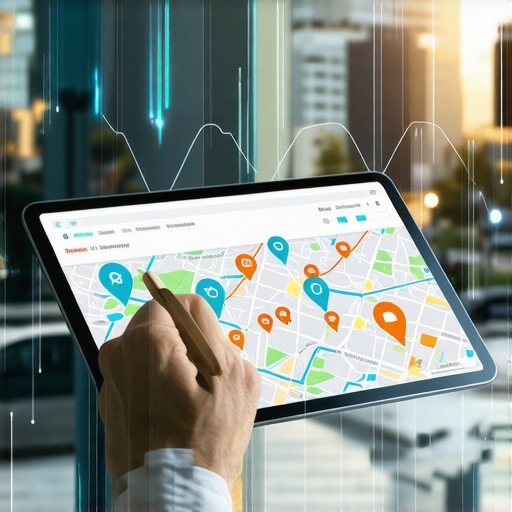
My Personal Story: How I Started Struggling with Map Pack Visibility
Just a few years ago, I was thrilled to see my local business ranking at the top of Google Maps. But then, out of nowhere, my position started slipping, and I found myself lost in the digital wilderness. It was a frustrating experience that prompted me to dive deep into local SEO strategies, especially focusing on recovering my Google Map Pack position. Today, I want to share what I’ve learned along the way, hoping it helps others facing similar challenges.
The First Step: Diagnosing the Problem
Before jumping into fixes, I realized I needed to understand what was causing the decline. I explored various troubleshooting guides, like those on Google Map Pack issues, which provided invaluable insights. Sometimes, the problem was simple, like inconsistent NAP citations, but other times it was more complex, such as algorithm updates or Google’s spam filters.
My Tried-and-True Techniques for Map Pack Recovery
Over months of trial and error, I adopted a multi-pronged approach. I optimized my Google Business Profile, ensured accurate citations, and improved local keywords. I also paid close attention to online reviews, as they play a crucial role in local rankings. For a comprehensive plan, I highly recommend reviewing your Map Pack troubleshooting blueprint. These steps significantly improved my visibility and boosted my rankings.
What Really Works in 2025: Insights from the Experts
One thing I learned is that Google’s algorithms are constantly evolving. Staying updated is key. I subscribe to authoritative blogs and forums, and I always test new strategies. For example, Google emphasizes user experience, so ensuring your profile and website are mobile-friendly and fast loading can make a difference. According to Moz, adapting to algorithm changes is essential for long-term success.
How Can I Ensure My Local SEO Efforts Stay Effective Amid Algorithm Changes?
This is a question I ask myself regularly. To stay ahead, I focus on maintaining consistent NAP data, engaging with customers online, and continuously updating my content. Also, leveraging local backlinks and community involvement can give your profile an edge. If you’re interested in a structured approach, check out this ultimate guide.
If you’ve faced similar struggles or found effective strategies, I invite you to share your experience in the comments. Sometimes, a simple tip from another local business owner can spark a breakthrough!
Unlocking Long-Term Map Pack Success: How to Stay Ahead of Algorithm Changes
As a seasoned local SEO specialist, I can tell you that maintaining your Google Map Pack prominence requires more than just initial optimization. The digital landscape is ever-evolving, with Google frequently updating its algorithms. To ensure your local business stays visible, it’s crucial to develop a dynamic strategy that adapts to these shifts. One effective approach is to cultivate a robust online presence that emphasizes consistency and quality across all touchpoints.
What Are the Nuanced Factors Influencing Map Pack Rankings Beyond Basic Optimization?
Beyond the foundational elements like NAP consistency, reviews, and local keywords, there are subtle yet impactful factors that can influence your rankings. For example, Google increasingly values user engagement signals—such as click-through rates, check-ins, and message interactions. Additionally, your website’s local relevance, mobile usability, and page load speed are critical in aligning with Google’s focus on user experience, as highlighted in Moz’s recent updates (Moz SEO insights 2025). To navigate these complexities, I recommend a comprehensive approach that combines technical SEO with active engagement strategies.
Case in Point: Regularly updating your Google Business Profile with fresh images, posts, and accurate information signals activity and relevance to Google’s algorithm, often leading to improved rankings. Moreover, local backlinks from reputable community sites or industry directories can powerfully boost your profile’s authority, as outlined in your Map Pack troubleshooting blueprint.
How Can You Leverage Local Engagement to Sustain a Competitive Edge?
Engaging authentically with your local community builds trust and signals to Google that your business is active and valued. This can include participating in local events, sponsoring community initiatives, and encouraging satisfied customers to leave reviews. Each positive review not only enhances social proof but also contributes to your local keyword relevance. Additionally, actively responding to reviews, both positive and negative, demonstrates your commitment to customer satisfaction, which Google recognizes in its ranking algorithms.
Integrating local engagement with your online strategy ensures your business remains resilient even as search algorithms evolve. For detailed tactics, I suggest exploring effective local pack recovery tips and applying them consistently.
Are You Ready to Adapt Your Local SEO Tactics for 2025 and Beyond?
Staying effective in local SEO isn’t about quick fixes; it’s about building a sustainable, adaptable system. I encourage you to regularly audit your profile, monitor your competitors, and stay informed about the latest Google updates. Remember, the goal is to provide a seamless, valuable experience for your local customers while aligning with Google’s evolving standards.
If you’ve discovered additional strategies or face specific challenges, I invite you to share your insights in the comments. Sharing real-world experiences can inspire innovative solutions and help all of us stay ahead in this competitive space!
Deepening the Personal Approach: Navigating the Complexities of Local SEO in a Rapidly Evolving Landscape
Reflecting on my journey, I realize that the battle for prominence in the Google Map Pack is not merely about ticking boxes or following checklists. It’s a nuanced dance that requires both technical mastery and genuine community engagement. One of the most profound lessons I’ve learned is that Google’s algorithms are increasingly sophisticated, valuing authenticity and user-centric signals more than ever. For instance, while optimizing NAP data remains foundational, integrating storytelling through your Google Posts and leveraging multimedia content has shown tangible benefits. This approach not only boosts relevance but also humanizes your brand, making it more appealing to local customers.
The Nuanced Factors: Beyond the Basics that Make a Difference
It’s tempting to focus solely on visible aspects like reviews and citations, but deeper factors influence your rankings in subtle yet impactful ways. Google’s recent updates, such as the use of AI to interpret user engagement signals, mean that metrics like time spent on your profile, the frequency of updates, and the diversity of user interactions can sway your position. Personally, I’ve experimented with integrating local event participation and community sponsorships, which Google seems to recognize indirectly through increased local engagement and backlink diversity. According to Moz’s latest insights (Moz 2025 SEO Insights), aligning with evolving AI-driven signals is crucial for long-term success.
Additionally, I’ve found that optimizing for voice search and local intent queries adds an extra layer of resilience against algorithm fluctuations. These tactics require a more granular keyword strategy and a focus on natural language, which can be explored further in dedicated resources like your Map Pack troubleshooting blueprint.
Engagement as a Strategy: Building Trust and Authority in Your Community
Engagement is not just a tactic but a philosophy. I’ve come to see it as the heartbeat of sustainable local SEO. Participating in local events, sponsoring charity drives, and actively encouraging reviews from satisfied customers create a virtuous cycle—building trust, increasing visibility, and signaling activity to Google. Responding thoughtfully to reviews, especially negative ones, demonstrates transparency and commitment, further enhancing your local authority. This kind of authentic engagement often results in shares and backlinks from community websites, which Google values highly.
To deepen this strategy, I’ve started leveraging local influencers and micro-influencers within my niche, which amplifies my reach and signals relevance to Google’s local ranking factors. Integrating these efforts with your online presence—like updating your profile with new images from community events—can make a significant difference. For more detailed tactics, I recommend exploring effective local pack recovery tips.
Are You Prepared to Evolve with the Algorithm? My Personal Challenge and Invitation
In my experience, staying ahead requires continuous learning and adaptation. The landscape shifts quickly, and what worked last year might not suffice today. I regularly audit my profile, monitor competitors’ tactics, and stay engaged with industry updates via authoritative blogs and forums. This proactive approach has helped me anticipate changes and pivot strategies before they impact my rankings.
But I also believe that sharing our experiences is vital. If you’ve uncovered a tactic that worked for you or faced a challenge that seemed insurmountable, I invite you to share your insights in the comments. Our collective knowledge accelerates everyone’s growth and resilience in this competitive space. Remember, the key is to build a robust, adaptable system that not only responds to algorithm changes but also genuinely serves your local community’s needs.
Deciphering the Subtle Influences on Map Pack Rankings Beyond Conventional Optimization
While optimizing NAP consistency, reviews, and local keywords remains essential, recent developments suggest that Google’s ranking signals are increasingly nuanced. Factors such as engagement metrics—like dwell time on your profile, interaction frequency, and content freshness—are now pivotal in shaping your local visibility. Experiments have shown that businesses actively updating their Google Posts with multimedia and local stories experience not only higher engagement but also improved rankings. Moreover, integrating rich media, such as virtual tours or behind-the-scenes videos, humanizes your brand and fosters trust, which Google interprets as a sign of authenticity.
The Power of Authentic Community Integration to Reinforce Local Authority
Deepening community involvement can serve as a formidable pillar for long-term Map Pack success. Personally, I’ve found that sponsoring local events and collaborating with community influencers significantly boosts local backlinks and social signals—both critical for algorithmic favor. Participating in charitable drives or local fairs creates organic opportunities for content creation and backlinks, which Google rewards with higher relevance scores. Engaging authentically with your community not only amplifies your local authority but also enhances your profile’s signal strength in Google’s AI-driven ranking system, as noted by Moz’s latest insights (Moz SEO 2025).
How Can Advanced AI and User Behavior Data Be Leveraged for Superior Local SEO?
Google’s increasingly sophisticated AI models analyze complex user behavior signals—such as voice search patterns, click-through rates, and even sentiment analysis of reviews. To leverage this, I’ve incorporated voice-optimized content and FAQ sections tailored for local intent queries, aligning with Google’s focus on natural language processing. Additionally, tools that monitor real-time user engagement metrics help identify content gaps and opportunities for immediate optimization. For instance, analyzing dwell time on your profile can reveal which content resonates most, guiding future updates. For an in-depth exploration of these techniques, I recommend consulting this comprehensive guide.
What Are the Practical Steps to Integrate AI-Driven Data Into My Local SEO Workflow?
Integrating AI and behavioral data begins with selecting the right analytics tools that can interpret user interactions at granular levels. I suggest setting up dashboards that track engagement metrics across your Google Business Profile, website, and social channels. Regularly reviewing these insights allows you to adapt your content and engagement strategies proactively. Additionally, leveraging local AI tools can help identify emerging trends and optimize your keyword strategy for voice search and conversational queries, which are becoming increasingly prevalent. If you’re eager to elevate your local SEO game, I encourage you to explore detailed strategies outlined here.
Engaging with these advanced insights and experimenting with data-driven tactics is vital for maintaining a competitive edge. I invite you to share your experiences or ask questions—our collective knowledge can unlock new pathways to success in the evolving landscape of local SEO.
Things I Wish I Knew Earlier (or You Might Find Surprising)
The Power of Consistency Over Time
Early in my local SEO journey, I underestimated how crucial consistent activity is. Regular updates, fresh photos, and ongoing engagement signals Google that your business is active, which can significantly boost your Map Pack rankings. I found that businesses that stay active tend to rank higher over time, even during algorithm shifts.
Community Engagement Trumps Quick Fixes
Focusing solely on technical factors like citations and reviews can be limiting. Real community involvement—sponsoring local events or collaborating with neighborhood influencers—creates authentic signals that Google values highly. This grassroots approach has helped me sustain visibility beyond just optimization tweaks.
Understanding User Behavior Matters
Google increasingly interprets how users interact with your profile—like click-through rates, dwell time, and review responses. I started paying attention to these behavioral metrics and optimized accordingly, which improved my rankings more than I expected.
Content Quality and Multimedia Engagement
Adding multimedia content such as videos and virtual tours humanizes your profile and enhances engagement. I experimented with storytelling through posts and multimedia, and saw a noticeable increase in local interest and visibility.
Algorithm Changes Are Opportunities, Not Obstacles
Instead of fearing updates, I learned to view them as opportunities to refine my strategy. Keeping an eye on industry blogs like Moz helps me adapt proactively, turning challenges into growth moments.
Resources I’ve Come to Trust Over Time
- Moz SEO Blog: A goldmine for understanding evolving search algorithms and SEO best practices. I’ve learned a lot about future-proofing my local SEO efforts from Moz’s insightful updates.
- Google’s Official Business Profile Help: The primary source of official guidelines and new features directly from Google. It’s my go-to for accurate, up-to-date info.
- Local Search Forum: A community of local SEO experts sharing real-world experiences and strategies. I recommend this forum for practical advice and peer support.
Parting Thoughts from My Perspective
Staying ahead in the Google Map Pack game is a continuous process that combines technical optimization, genuine community engagement, and an understanding of user behavior. The key takeaway is that authenticity and consistency often outweigh quick fixes. If you focus on building a trusted local presence and adapt to algorithm changes, you’ll find that maintaining visibility becomes more manageable and sustainable. If this resonated with you, I’d love to hear your thoughts. Share it with someone who might find it helpful or drop your own experiences in the comments—learning from each other is what makes this journey worthwhile.