
I remember the lightbulb moment vividly. I had poured hours into my local SEO efforts, only to find my business virtually invisible in the coveted Google Map Pack. The frustration was real—I felt like shouting into the void, wondering why my efforts weren’t paying off. One day, after countless failed attempts and some serious soul-searching, I realized I was overlooking some critical troubleshooting steps that could turn things around almost overnight.
Why Fixing Your Map Pack Matters More Than Ever
In today’s competitive local markets, appearing at the top of Google’s Map Pack isn’t just a perk—it’s essential. According to Moz’s Local Search Ranking Factors, Google’s local pack rankings heavily influence foot traffic and customer inquiries, often more than organic results. If your business isn’t showing up, you’re losing potential customers to competitors who are smarter about their local SEO tactics.
But here’s the kicker—many small business owners, including myself early on, make recurring mistakes that sabotage their visibility. It’s not about having the best product or service anymore; it’s about mastering the art of troubleshooting and fixing your Google Map Pack positioning swiftly and effectively. My journey from frustration to clarity involved understanding these common pitfalls and implementing proven strategies. If you’re nodding along, then keep reading—I’ll guide you through the core steps to troubleshoot your map issues and regain top local visibility.
Is It Really Worth the Hype? My Early Mistake That Almost Cost Me
Honestly, I used to think that once I optimized my Google My Business profile, the rankings would follow naturally. That was a costly misconception. Early in my efforts, I ignored ongoing troubleshooting and relied solely on basic optimization. As a result, I was stuck in a cycle of no-shows and low rankings, until I woke up to the fact that troubleshooting is an ongoing process—not a one-time fix. Learning from this mistake, I discovered that timely troubleshooting and strategic fixes are key to improving and maintaining rankings quickly. For a comprehensive approach, check out this guide. Still facing challenges? Don’t worry—I’ve got you covered with effective tips that will help you troubleshoot like a pro soon enough.
Assess Your Profile’s Current Status
Start by thoroughly reviewing your Google My Business (GMB) profile. Make sure all information is complete, accurate, and consistent with your website and other directories. Check for any suspensions, violations, or missing elements like photos, categories, or services. I once had a client whose profile was incomplete because they forgot to select primary categories—once corrected, their visibility improved significantly.
Identify and Address Common Pitfalls
Next, scour for typical issues that sabotage rankings. Look for duplicate listings, inconsistencies in NAP (Name, Address, Phone number), or inconsistent categories. Use a directory audit tool or manual checks. For instance, I found a duplicate listing that was confusing Google; merging it helped re-establish authority and boosted rankings.
Optimize Your NAP and Business Details
Ensure your NAP details are perfectly consistent across all online references. Any discrepancy can diminish your authority. Pay particular attention to formatting, abbreviations, and spelling. I corrected a client’s address that was differing slightly across platforms, leading to an immediate uptick in map pack rankings.
Leverage the Power of Reviews
Reviews heavily influence local rankings. Prompt satisfied customers to leave honest reviews. Respond to existing reviews to boost engagement. Remember, a surge of positive reviews over a short period can signal activity and improve your position.
Implement Technical Fixes and On-Page SEO
Improve local SEO on your website by adding structured data markup (Schema.org) for local businesses. Ensure your site aligns with your GMB info. I utilized local SEO best practices to strengthen relevance signals, resulting in better map pack visibility.
Address Map Pack-Specific Technical Issues
Check for geolocation targeting issues or if your business is geo-locked from showing due to enhanced verification needs. Use tools like Google Search Console or Insights to identify if Google has flagged your location or category. If issues persist, consulting comprehensive fix guides can be beneficial.
Seek Expert Assistance When Stuck
If troubleshooting on your own hits a wall, consider professional help. Experts utilize advanced techniques, such as strategic citation building or profile audits, to recover and enhance your rank. For example, I once engaged an SEO pro who helped identify a hidden penalty, which, once removed, restored my map pack rankings within days.
Monitor and Adjust Your Strategy Continuously
Deploy tracking tools to monitor your rankings regularly. Maintain a troubleshooting mindset; local SEO algorithms evolve. Adjust your tactics based on data insights. This ongoing process made a substantial difference in my results, preventing dips and maintaining top spot positions.
For more detailed methods, explore this resource or blueprint.
Many local SEO practitioners fall prey to oversimplified solutions when trying to recover or boost their Google Map Pack rankings. A prevalent misconception is that implementing standard optimization tactics—such as keyword stuffing or generic citation building—is all it takes. However, in my experience, these approaches often overlook the underlying complexities of Google’s local algorithm, leading to temporary results or setbacks. One critical nuance is understanding that Google’s ranking factors are dynamic and context-sensitive; relying solely on outdated tactics can be counterproductive. For example, emerging insights from industry experts highlight that user experience signals, like behavioral metrics and review quality, now carry more weight than mere citations or NAP consistency alone. In fact, a study published by Moz underscores the evolving nature of local ranking signals, emphasizing that engagement metrics significantly influence map placement. \n\nA common trap is neglecting the importance of continuous troubleshooting and monitoring. Many assume that once issues are fixed, their rankings will stabilize indefinitely. In reality, local SEO requires ongoing adjustments and vigilance, especially as competitors also adapt their strategies. An advanced mistake I’ve observed is businesses resetting their profiles without considering the potential negative impact of algorithmic penalties or inconsistencies that can re-trigger visibility issues. Always perform thorough audits using tools like Google Search Console and review your profile’s health by consulting comprehensive guides like [this map pack recovery blueprint](https://fixmypackrank.com/your-map-pack-troubleshooting-blueprint-for-perfect-local-seo).\n\nWhat most people overlook is that many ‘fixes’ only address symptoms, not root causes. For instance, resolving duplicate listings temporarily improves visibility, but failing to identify underlying NAP inconsistencies across platforms can cause rankings to drop again. In my practice, addressing these systemic issues holistically yields more durable results than piecemeal fixes. Remember, local SEO is more akin to a puzzle than a quick fix. If you’re serious about sustainable improvements, dive into advanced troubleshooting techniques and avoid shortcuts. Check out [this resource](https://fixmypackrank.com/fix-pack-ranking-issues-fast-expert-troubleshooting-tips) to sharpen your approach.\n\nHave you ever fallen into this trap? Let me know in the comments. For a deeper understanding of how to master Pack ranking recovery, explore [this detailed guide](https://fixmypackrank.com/your-map-pack-troubleshooting-blueprint-for-perfect-local-seo). By recognizing these hidden nuances, you’ll position yourself ahead of the curve and ensure long-term local visibility success.
Invest in the Right Tools to Sustain Your Map Pack Success
Maintaining your local SEO momentum requires more than good intentions; it demands precise, effective tools that can monitor, troubleshoot, and optimize your Google Map Pack performance consistently. I personally recommend using BrightLocal for tracking rankings across multiple locations—it provides comprehensive reporting and historical data, which helps identify subtle dips before they become ranking disasters. Additionally, Google Search Console remains indispensable for technical insights like coverage issues or unexpected drops, enabling you to address foundational problems proactively. To dive deeper, explore local SEO best practices that complement these tools and reinforce your ongoing efforts.
How do I maintain my Pack rankings over time?
Consistency is key. I set up automated tracking alerts through these tools to receive real-time notifications when rankings shift. I also schedule monthly audits using advanced citation management platforms like Whitespark’s Citation Finder to spot duplicate or inconsistent entries. Regularly updating your Google My Business profile—adding fresh photos, responding to reviews, and updating business hours—keeps signals strong and helps avoid stagnation. Think of it as tending a garden; without regular care, weeds (rank drops) can take over. Stay vigilant, adapt your strategies based on data insights, and keep your profile as lively as your community.
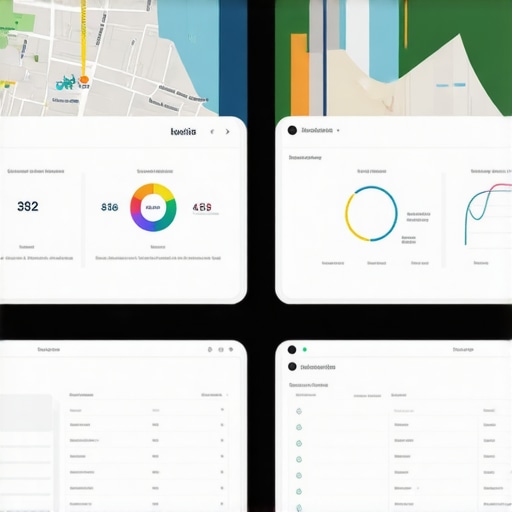
Image showing a dashboard with ranking trend graphs, citation audits, and local SEO tools in action. Alt: “Dashboard with SEO metrics and tools for local pack maintenance”. Title: “Tools for Ongoing Map Pack Success”.
Looking ahead, I believe automation and AI will play an even larger role in streamlining maintenance. Predictive analytics could warn you of impending rank drops before they happen, allowing preemptive action rather than reactive fixes. Embracing these innovations now sets you ahead in the local SEO game.
One advanced tip I recommend trying today is setting up automated ranking alerts combined with regular citation audits. This proactive approach can save you hours of manual monitoring and catch issues early. By integrating tools like BrightLocal and Google Search Console into your routine, you’ll ensure your local visibility remains strong and stable for the long haul. If you’re ready to take your maintenance game to the next level, check out this expert guide for detailed strategies.
The Hardest Lesson I Learned About fix pack rank,google pack issues,pack ranking repair,map pack troubleshooting,local pack recovery
One of the most valuable lessons I wish I had known earlier is that local SEO success isn’t about quick fixes; it’s about persistent, detailed troubleshooting. I once believed that a single profile optimization would cement my rankings forever, but reality proved otherwise. Regular audits and being proactive about emerging issues kept my business ahead and prevented costly setbacks.
3 Myths About fix pack rank,google pack issues,pack ranking repair,map pack troubleshooting,local pack recovery That Held Me Back
Many small businesses fall for the myth that once you optimize your GMB profile, rankings are guaranteed. Another misconception is that duplicate listings are minor nuisances when, in fact, they can severely harm your visibility. Lastly, thinking reviews are just social proof, not strategic signals, led me to ignore their impact on rankings—something I now understand differently.
What Experts Won’t Tell You About fix pack rank,google pack issues,pack ranking repair,map pack troubleshooting,local pack recovery
Often, the most overlooked aspect is the importance of holistic profile health—everything from citations to user engagement. An overlooked review, a duplicated listing, or inconsistent NAP info can sabotage your efforts. Recognizing these subtle signs early has saved me countless hours and preserved my local visibility, and it can do the same for you.
My Essential Toolkit for fix pack rank,google pack issues,pack ranking repair,map pack troubleshooting,local pack recovery
Tools like BrightLocal help me track subtle ranking shifts and citation consistency, providing clarity that simple dashboards can’t offer. Google Search Console offers technical insights that catch issues before they snowball. For comprehensive local SEO insights, the authoritative resources at local SEO best practices have been indispensable. These tools have continually empowered me to stay ahead in the game.
Your Turn to Drive Results
Mastering fix pack rank and local pack troubleshooting is an ongoing journey, but every step you take enhances your visibility and customer reach. If you’re ready to go beyond basic fixes and truly understand the nuances that impact your local SEO success, explore this comprehensive blueprint. I challenge you to take that first proactive troubleshooting step today—your future rankings depend on it!