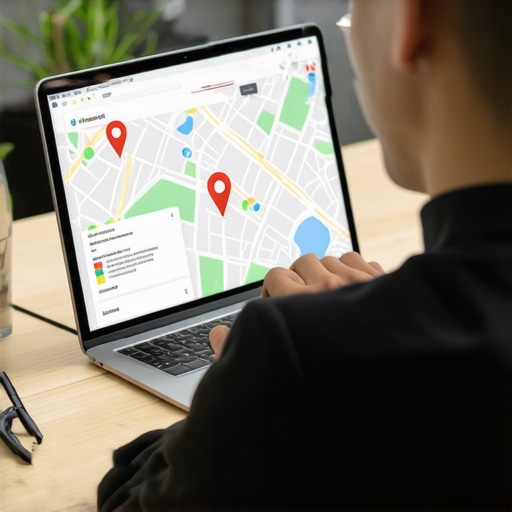
Ever felt that sinking feeling when your Google Map Pack suddenly vanishes from the top spots? I remember the exact moment—online visibility slipping away, like watching your carefully curated local presence disappear into thin air. It hit me hard because I rely on local SEO to attract new customers, and when the pack drops, so do my leads. That lightbulb moment made me realize: I needed to understand what was going wrong—fast.
Why Your Google Map Pack Might Be Playing Hide and Seek
I’ve been there, frustrated and scratching my head. It’s not just you—I’ve seen countless businesses facing this mystery. The truth is, Google’s local algorithms can be fickle. Factors like inconsistent NAP (Name, Address, Phone number) details, Google My Business (GMB) missteps, or even recent updates can cause your pack rankings to plummet. The good news? With a strategic approach, you can turn this around. There are proven strategies that reveal the precise fixes to recover visibility and boost your local pack presence.
Is Fixing Your Map Pack Even Worth It?
Early on, I made a critical mistake—I assumed local rankings were too unstable to control. That was a rookie error that cost me valuable time. The fact is, local SEO, when done right, offers a steady stream of targeted traffic. According to a recent study, 78% of local mobile searches result in an offline purchase (BrightLocal), so neglecting this area is a missed opportunity. If you’re wondering whether your efforts will pay off, trust me, they will—once you know the right moves.
Next, I’ll walk you through the exact steps I took to diagnose and fix my issues, turning a disappearing pack into a consistent top spot. Ready to regain your local visibility? Let’s dive into the essentials that can rescue your rankings and get your business back on the map.
Verify Your Business Details and NAP Consistency
The first step I took was meticulously auditing my business listings for consistent Name, Address, and Phone number (NAP). Using a spreadsheet, I listed each reference across directories and checked for discrepancies. I found mismatched phone numbers on some local citation sites, which likely confused Google. Correcting these inconsistencies is crucial; think of it like ensuring all your GPS signals point to the same destination. After updating, I waited about a week to see if the changes positively affected my ranking. During this process, I discovered tools like local SEO blueprints can streamline this audit and ensure accuracy. Additionally, I recommend reviewing your GMB information directly and making sure all details are up-to-date and match the citations exactly. This alignment builds credibility and signals to Google that your business is legitimate and trustworthy.
Optimize Your Google My Business Profile
Next, I focused on enhancing my Google My Business profile. Think of your GMB as your digital storefront—it needs to shine. I uploaded high-quality images, verified all categories, and added relevant keywords naturally into the business description. Also, I responded promptly to reviews, especially negative ones, to boost engagement. These actions are akin to decorating your shop window to attract more passersby. To understand what works best, I kept a checklist and compared my profile’s performance before and after each update using insights tools. Remember, GMB signals are powerful; optimizing this profile is like tuning your engine for better performance. For detailed tips, local pack optimization guides can offer additional strategies to fine-tune your profile further.
Build Quality Local Citations and Backlinks
My next move involved strengthening my local citations and backlinks. I manually submitted my business info to reputable industry directories—think of these as trusted word-of-mouth endorsements. I prioritized niche-specific directories relevant to my industry, which adds authority. Simultaneously, I earned backlinks by engaging in local collaborations and guest posting on local blogs. I approached this task like networking at a community event—building genuine relationships yields better results than cold outreach. I monitored the impact by tracking rank changes and citation consistency, adjusting my strategy as needed. This process acts as reinforcing your business’s digital reputation—more high-quality citations and backlinks bolster Google’s trust in your listing. For a comprehensive approach, exploring details at Google Map pack fixes resources can help craft a robust citation strategy.
Address Technical and SEO Issues on Your Website
I realized that technical SEO issues on my website could be hampering my local pack visibility. Using tools like Google Search Console, I checked for crawl errors, duplicate content, and mobile usability problems. Fixing these issues is like repairing the engine under the hood; it ensures everything runs smoothly. I also optimized on-page elements—title tags, meta descriptions, and local keywords—to align with the queries my local customers searched for. Implementing structured data (schema markup) for local business information helped Google better understand my site’s content. After completing these fixes, I observed a gradual increase in map pack rankings—proof that website health directly influences local SEO. For deep dives into technical fixes, comprehensive Google pack troubleshooting can guide your technical optimization efforts.
Monitor, Test, and Refine Your Strategies
Lastly, I set up tracking to monitor my pack rankings and local search visibility regularly. Using rank tracking tools, I kept an eye on fluctuations and identified patterns—like noticing peaks after citation updates or profile optimizations. Testing different approaches, such as adjusting keywords or citation sources, helped refine my strategy. Think of this as tuning your vehicle based on performance feedback—you get better over time. I also stayed informed about updates to Google’s algorithms by subscribing to industry blogs, ensuring I adapted swiftly. Continuous monitoring and adjustment are essential; Google’s local algorithms evolve, and so should your tactics. To systematize this process, the local SEO blueprint provides valuable insights on ongoing optimization.
Many digital marketers and local business owners believe that fixing their Google Map Pack standings boils down to a few simple steps like updating NAP details or posting more reviews. While these are important, there’s a hidden nuance that most overlook: the misconception that Google’s local algorithms respond predictably to basic optimization. In reality, Google’s map pack ranking factors are complex, dynamic, and often misunderstood. Relying solely on surface-level fixes can lead to wasted effort and frustration.
One of the most pervasive myths is that your local rankings are entirely within your control—simply optimizing your GMB profile or citations will guarantee top spots. However, Google’s local algorithm considers a multitude of signals, including domain authority, user engagement metrics, and even real-world proximity. Mastering these nuances requires a holistic approach; neglecting major factors like local relevance and website authority can undermine your efforts.
Beware of the trap of quick fixes. Many fall into the pitfall of rushing through citation submissions or indiscriminately building backlinks without relevance. This approach can do more harm than good, as Google now emphasizes the quality and relevance of your signals over sheer quantity. An indiscriminate backlink strategy might trigger spam filters or cause ranking fluctuations, delaying your recovery. Instead, focus on targeted, high-quality citations and relationships—think of it as cultivating genuine community endorsements rather than mass broadcasting.
What advanced tactics should I consider for mapping success?
For seasoned practitioners, understanding the concept of the “local pack environment” is crucial. Factors such as competition intensity, Google’s recent algorithm updates, and local user intent play vital roles. For example, after recent updates, Google has become more sensitive to behavioral signals like clicks and calls from your GMB listing. So, optimizing for engagement metrics can provide a competitive edge. Regularly monitoring keyword performance, review patterns, and citation consistency is essential. For in-depth strategies tailored to these advanced nuances, this comprehensive guide offers actionable insights.
Additionally, avoid common pitfalls such as neglecting mobile optimization or failing to implement structured data markup, which can impede Google’s understanding of your business. Technical oversights are lurking behind many unexplained ranking drops. Ensuring your website is fast, mobile-friendly, and properly marked up with LocalBusiness schema can make a measurable difference.
Remember, local SEO is an ongoing game—Google updates frequently, and competitors adapt swiftly. Staying ahead requires understanding the elusive factors that influence rankings behind the scenes. For complex issues, consulting proven troubleshooting methods, like those found here, can save you valuable time and effort.
So, are you still relying on basic fixes, or are you ready to embrace the nuanced reality of local pack recovery? Let me know in the comments. The more aware you are of these hidden factors, the better you’ll be at orchestrating a sustainable, high-rank strategy that withstands algorithm changes and competitive pressure.
Maintaining Your Map Pack Success with Precision Tools
Keeping your local pack rankings stable over time demands the right tools and consistent upkeep. One of my go-to resources is BrightLocal, which offers robust citation tracking and review monitoring features. I use it daily to ensure my business details remain consistent across directories and to track review sentiment, as these are critical ranking signals. I’ve found that regular citation audits using BrightLocal help avoid those sneaky inconsistencies that can cause your pack to slip. Google Search Console is indispensable for spotting crawl errors and understanding how Google views your website, enabling proactive fixes before issues affect visibility. Additionally, Structured Data Testing Tool allows me to verify that my schema markup is correctly implemented, as Google emphasizes this data for local SEO. Incorporating these tools into a scheduled routine ensures your local presence stays strong.
Tools That Drive Long-Term Results
Beyond basic monitoring, I rely on expert troubleshooting guides for deep dives into complex issues that crop up unexpectedly. For instance, when dealing with sudden drops, I consult their comprehensive resources to diagnose whether the root cause is related to pack rank updates or technical glitches. SEMrush helps me keep tabs on competitors’ strategies and keyword shifts, so I can adjust my local SEO tactics accordingly. These tools, combined with routine manual audits, form a resilient framework that withstands algorithm shifts and competitive pressure.
Preparation for the Future of Local SEO
The landscape of local SEO is evolving rapidly, with Google increasingly prioritizing engagement metrics and multimedia signals. Automation tools with AI-driven insights, like Moz Local, are becoming more invaluable for maintaining visibility at scale. Staying ahead means adopting these advanced tools early and tailoring your ongoing maintenance plan accordingly. Embracing automation not only saves time but also enhances your ability to respond swiftly to any ranking fluctuations.
How do I maintain my pack rankings over time?
The key is establishing a disciplined routine: schedule weekly citation audits, bi-weekly review analyses, and monthly schema checks. Incorporate tools like BrightLocal and Google Search Console into your workflow to catch issues early. Also, stay informed about local SEO developments by subscribing to trusted resources—like the blueprint for local SEO success. Remember, consistency is your best ally in preserving high rankings. One advanced tip you might try today is automating citation updates with BrightLocal’s scheduling feature—saving you precious time while keeping data accurate. With a proactive maintenance approach, your local pack presence can become a long-term asset rather than a fleeting achievement.

The Unexpected Lessons That Changed My Map Pack Strategy
One of the most eye-opening lessons I learned was that Google’s local algorithms can be surprisingly sensitive to small details—details I once overlooked. For instance, inconsistent NAP information across directories not only confused Google but also eroded my rankings more than I’d anticipated. Realizing that technical website health and schema markup could make or break my local visibility was a game-changer. It taught me that recovery isn’t just about backlinks or citations but involves a holistic approach that addresses every touchpoint Google considers. These insights have helped me craft more resilient strategies that withstand algorithm updates and local competition.
My Go-To Tools for Sustaining Local Map Pack Success
Over time, I found that leveraging advanced tools like BrightLocal for citation consistency and review monitoring keeps my local presence strong. Google Search Console remains invaluable for diagnosing website health issues that could silently impact my rankings. I also rely on schema testing tools to ensure my LocalBusiness markup is correctly implemented—because Google loves well-structured data. These resources combined give me confidence that my map pack ranking stability is backed by proactive monitoring, not just reactive fixes.
Your Next Move in Google Map Pack Mastery
Getting your local pack rankings back on track might seem daunting, but the key is consistent, informed action. Whether it’s refining your Google My Business profile, fixing technical SEO issues, or building quality local citations, every step builds towards a more dominant local presence. I encourage you to embrace the nuanced realities of local SEO—there’s no magic pill, only disciplined, strategic effort. By staying curious and committed, you can transform your local map pack from a fleeting visibility spot into a powerful, sustainable asset. Are you ready to take your local SEO to the next level? Share your experiences or questions below!
Reading through this detailed walkthrough really hit home for me. I’ve experienced that frustration when the map pack suddenly drops, especially after a major update or citation inconsistency. I appreciate the emphasis on meticulous NAP audits because I once overlooked a small discrepancy in my directory listings, which in hindsight, probably impacted my rankings more than I expected. Resolving that, along with optimizing my GMB profile—adding high-quality images and engaging reviews—made a noticeable difference.
It also made me wonder, how do others balance updating their website content and technical SEO fixes with ongoing citation and review management? I’ve found that a consistent routine is key, but multitasking large efforts often feels overwhelming. Do you recommend any specific tools or workflows to streamline this process for local businesses just starting to dig into their SEO maintenance? Would love to hear strategies from those who’ve managed to keep their map packs steady amid all the changes.
This post resonated with me because I’ve learned firsthand how small inconsistencies in NAP details or neglected website technicalities can cause unexpected drops in local rankings. It’s easy to overlook the importance of schema markup or forget to regularly audit citations, but those overlooked details can have a domino effect. I found that setting up monthly routine audits using tools like BrightLocal and Google Search Console helps me stay ahead of potential issues. One thing I’d add is that tracking user engagement metrics—like calls and clicks from your GMB profile—can give early signs of waning visibility. Regarding workflow, I’ve adopted a project management approach using Trello to prioritize tasks like citation updates, review responses, and site fixes, which helps prevent overwhelm. How do others balance these ongoing tasks without burning out or missing critical updates in their local SEO efforts? Would love to hear more about effective routines or tools that have worked well for you.
This article really hits home for me because I’ve also experienced that total frustration when the Google Map Pack suddenly disappears from the top results. I agree wholeheartedly that small details like inconsistent NAP information or outdated GMB categories can heavily impact your rankings. Personally, I’ve started using BrightLocal and Google Search Console regularly, which has helped me catch errors early before I lose valuable visibility. One challenge I face is balancing ongoing citation management with website updates—sometimes it feels like a never-ending game! I’ve found that setting up a routine, perhaps quarterly audits, can keep things under control without overwhelming my team. Does anyone have tips on automating some of these processes or tools that help streamline management for small local businesses? Would love to hear everyone’s strategies for maintaining consistent rankings over time.