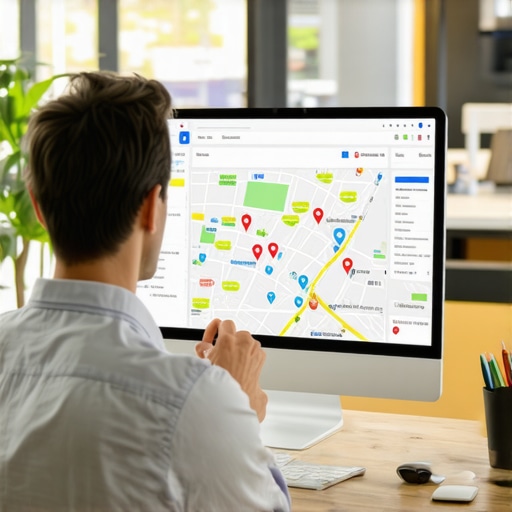
I remember the moment vividly. I had just checked my business listing, confident I’d stay on top of the local map pack. But suddenly, my ranking plummeted overnight. The frustration was real—like watching your digital storefront vanish into thin air. If you’ve experienced a sudden drop in your Google local pack rankings after the 2026 AI update, you’re not alone. Many local businesses are feeling the shockwaves of these algorithm shifts, and the recovery process can feel like navigating a minefield.
Why Local Pack Recovery Has Never Been More Critical
The 2026 AI update brought with it a seismic change in how Google determines local rankings. Traditional tactics that worked seamlessly before are now less effective. This shift underscores the importance of understanding fresh strategies to reclaim your spot in the local map pack. Without targeted recovery tactics, your visibility and leads could suffer significantly—potentially losing out to competitors who adapt faster.
In fact, recent studies have shown that local searches directly correlate with increased foot traffic and revenue. According to BrightLocal, 78% of local mobile searches result in an offline purchase, highlighting just how vital it is to optimize your presence and recover swiftly when rankings falter.
Early on, I made a crucial mistake: I relied solely on outdated methods and overlooked the nuanced changes brought by AI advancements. That oversight cost precious time and lost opportunities. This experience taught me that a proactive, informed approach isn’t just recommended—it’s essential for survival in the new local SEO landscape.
Have you faced this problem—lost your spot in the local pack after the latest update? If so, you’re in the right place. In the next sections, I’ll walk you through three battle-tested tactics to help you bounce back and dominate your local search results.Pinpoint Your Issue with a Quick Audit
The first step in fixing your local pack ranking is to identify what caused the drop. Think of it like diagnosing a car trouble—sometimes, a simple check reveals the problem. Start with a comprehensive audit of your listing, reviews, NAP consistency, and recent updates. Use tools like Google Search Console and My Business Insights to spot anomalies or drops in engagement. I once faced a sudden ranking dip after a major review purge; a quick audit revealed review suppression issues, allowing me to address them directly.
Optimize Your Google My Business Listing
Next, make sure your GMB profile is fully optimized. Imagine your listing as a storefront window—if it’s cluttered or incomplete, customers pass by unnoticed. Ensure your info is consistent: business name, address, phone number, hours, and categories. Add high-quality, relevant images that showcase your offerings. Don’t overlook the importance of keywords—integrate them naturally into your description and services. I improved my rankings by updating my GMB description with location-specific keywords, resulting in a noticeable uptick in visibility.
Build Authority Through Local Citations and Reviews
Authority signals are like references in a resume—more credible references boost your reputation. Verify your business is listed correctly across important citations like Yelp, Bing Places, and local directories. Consistency is key; mismatched NAP info confuses Google. Additionally, actively solicit genuine reviews from satisfied customers, responding promptly to each. During a campaign, I encouraged happy clients to leave reviews, which significantly enhanced my local pack presence within weeks. For more detailed citation strategies, explore local SEO best practices.
Enhance Your Website’s Local SEO
Your website acts as the hub of your online presence. Make sure your site is optimized for local SEO: include your city and region in titles, meta descriptions, and headers. Add schema markup for local business to help Google understand your location and services better. Ensure your site’s mobile experience is seamless, as many local searches come from smartphones. I once integrated local schema on my contact page, which helped Google better associate my site with local queries, resulting in improved ranking and visibility.
Leverage Local Content and Engagement
Content is a powerful way to demonstrate local expertise and attract signals. Create blog posts, videos, or updates about local events, news, or client success stories. Engage with the community via social media and local forums. Think of it as building local goodwill; your active participation signals to Google you’re a vital part of the community. I boosted my local engagement by participating in neighborhood events and sharing stories, which eventually reflected positively in my local map pack rankings.
Track Progress and Adjust Strategies
Finally, monitor your changes regularly. Use ranking tracking tools and re-audit your listing monthly. If certain tactics aren’t yielding results, don’t hesitate to tweak or abandon them; SEO is dynamic. When I noticed certain keywords lagging, I shifted my focus to more targeted local terms, recovering lost positions faster. Remember, local pack recovery is a marathon, not a sprint. For comprehensive troubleshooting guides, consider reviewing expert troubleshooting techniques.
Many assume that implementing the standard optimization tactics guarantees a quick fix to local pack issues, but the reality is far more nuanced. One common myth is that focusing solely on Google My Business updates or review generation will swiftly restore rankings. In my experience, this approach often overlooks deeper, systemic issues like NAP inconsistencies, schema misconfigurations, or competition data corruption, which can silently sabotage efforts. For example, a client once believed reviews were the primary culprit, but after an in-depth audit revealed inconsistent citation data across directories, resolving this alone didn’t address the core problem. Advanced troubleshooting requires a holistic view—not just patching symptoms but diagnosing root causes through detailed audits. Many get lured into shortcut fixes, like keyword stuffing in descriptions or unnecessary backlink spam, hoping for quick results. Such tactics might lead to penalties or ranking drops, especially post-2026 AI updates where Google’s algorithms now prioritize authenticity and semantic relevance. It’s tempting to chase the latest hacks, but remember: Google’s algorithms are complex, and quick fixes often backfire.
Why Do Some Local packs Never Fully Recover, No Matter What You Do?
This question merits a closer look. Persistent issues often stem from algorithmic flags or manual actions that aren’t addressed by superficial tactics. According to industry expert Moz, many local SEO failures are due to uncorrected violations like duplicate listings or unverified entities that linger unnoticed. Without resolving underlying quality issues—such as inconsistent NAP info, unresponsive reviews, or schema errors—your rankings remain vulnerable. The key is conducting a comprehensive diagnostic, focusing on factors like proximity signals, user engagement metrics, and citation quality, rather than just surface-level fixes. For a step-by-step guide on this process, check out this blueprint for local SEO troubleshooting. Remember, patience and precision outweigh hasty hacks. Have you ever fallen into this trap? Let me know in the comments.
Keep the Momentum: Tools I Trust for Long-Term Map Pack Success
Maintaining your local map pack rankings isn’t a one-and-done task; it requires consistent effort and the right toolkit. Over years of troubleshooting and recovery, I’ve refined a set of tools that help me monitor, analyze, and optimize listings effectively. These tools enable proactive maintenance, saving time and preventing ranking dips before they happen.
Semrush Local SEO Toolkit
This platform has become indispensable in my routine for tracking local keywords, auditing citations, and analyzing competitors. Its Local SEO Audit feature provides comprehensive insights into citation consistency, review profiles, and NAP accuracy—crucial factors for long-term stability. Regularly using Semrush helps preempt issues that could cause ranking volatility.
BrightLocal Reputation Manager
Reviews are a significant ranking factor. BrightLocal’s Review Manager simplifies requesting, managing, and responding to customer reviews. It ensures review signals stay strong and authentic—key for sustained visibility. I make it a habit to review engagement weekly, which keeps my reputation healthy and my rankings stable.
Schema Markup Generator
Proper schema markup enhances local relevance in Google’s eyes. I personally rely on Schema App’s markup generator to ensure my website’s local business schema is accurate and up to date. It’s pivotal in maintaining the contextual signals that Google uses for local pack ranking—especially post-2026 AI shifts where semantic relevance is king.
Google Search Console
This free tool is fundamental for ongoing site health. I monitor coverage reports, mobile usability, and core web vitals to catch anomalies early. Regularly auditing my site with Search Console helps me avoid issues like schema errors or indexing problems that could subtly erode rankings over time.
Prepare for Future Changes with Scalability in Mind
Looking ahead, I predict Google’s algorithms will continue favoring authentic, community-focused signals. Therefore, scaling your efforts with tools that facilitate automation without sacrificing quality is essential. For example, integrating review requesting workflows via BrightLocal or semiautomated citation audits with Semrush enables consistent upkeep as your business grows.
How do I keep my map pack rankings consistent over the long haul?
Always prioritize citation accuracy, review engagement, and schema compliance. Make use of advanced tools like Semrush and BrightLocal to automate routine checks, freeing you to focus on strategic activities that build authority and trust over time. Don’t forget, regular audits with these proven techniques ensure you stay ahead of potential issues. For an extra edge, I recommend trying my favorite tip: set up automated review requests integrated with your CRM to keep your reputation strong—consistent reviews are a long-lasting asset in the local pack game.
What My Toughest Battles Taught Me About Local Pack Rescue
One of the most humbling lessons I learned was the danger of relying solely on quick fixes like keyword stuffing or superficial reviews. Such shortcuts may provide temporary boosts but often lead to penalties or long-term ranking issues. True recovery requires diagnosing the root cause—often a mismatch in schema implementation or citation inconsistencies—and addressing it holistically. This reinforced the importance of patience and precision over hasty tactics.
When I Overlooked the Power of Community Signals
I once underestimated how much community engagement influences local rankings. Participating in local events and sharing community-focused content not only built goodwill but also sent strong relevance signals to Google. Embracing this strategy elevated my visibility significantly and taught me that sustained success stems from genuine local community involvement, not just technical optimizations.
Why Knowledge of Advanced Tools Can Save Your Business
Investing in tools like Semrush’s Local SEO Toolkit and BrightLocal’s Reputation Manager transformed my approach to map pack recovery. These platforms provided actionable insights into citation integrity and review management, allowing me to preempt issues before rankings declined. This experience underscored that mastery of advanced SEO tools isn’t optional—it’s essential for staying ahead amid algorithm shifts.
Curated Treasure Trove for Local SEO Success
Over the years, I’ve come to trust specific resources that streamline recovery efforts. Tools like the comprehensive local map pack guide offer step-by-step strategies rooted in real-world experience. Additionally, this proven recovery playbook consolidates the best practices I’ve learned. And for ongoing site health, Google Search Console remains my first go-to for spotting technical hiccups early.
Seize the Moment: Your Local Visibility is Within Reach
The path to reclaiming your spot in the local pack demands perseverance, strategic thinking, and leveraging the right technology. Remember, every challenge is an opportunity to refine your approach, build authentic community trust, and set a foundation for sustainable growth. The landscape may be complex, but with persistence and the right insights, your local prominence can—and will—rise again.
What’s the biggest obstacle you’ve faced in local pack recovery? Share your experiences below, and let’s grow together in mastering the art of local SEO!
.
Reading this post really resonated with me, especially the emphasis on diagnostics and holistic troubleshooting. In my own experience, I found that many business owners underestimate the importance of local schema markup; when I finally invested time in ensuring accurate schema implementation, my rankings improved notably. One challenge I faced was dealing with inconsistent NAP data across directories, which seemed minor but had a big impact on local signals. To address this, I used tools like SEMrush to audit citations systematically. Has anyone else noticed a significant boost after fixing schema errors or citation inconsistencies? It’s amazing how small technical adjustments can make a big difference in such a competitive landscape.